


Hey there! As a supplier of Alumina Refractory Bricks, I'm super excited to take you behind the scenes and show you how these amazing bricks are manufactured. It's a process that combines science, skill, and a whole lot of heat!
Step 1: Raw Material Selection
The first and most crucial step in making Alumina Refractory Bricks is choosing the right raw materials. Alumina, which is aluminum oxide (Al₂O₃), is the main ingredient. We source high - quality alumina from trusted suppliers. The purity of the alumina can vary, but for top - notch refractory bricks, we aim for a high percentage of alumina content.
In addition to alumina, we also use other materials like silica, clay, and various additives. These materials help to improve the properties of the bricks, such as their strength, thermal conductivity, and resistance to chemical corrosion. For example, silica can enhance the refractoriness of the bricks, while clay acts as a binder during the forming process.
Step 2: Grinding and Mixing
Once we have our raw materials, it's time to get them ready for the next stage. We start by grinding the alumina and other materials into a fine powder. This is done using specialized grinding equipment, like ball mills. The grinding process ensures that the particles are of a uniform size, which is important for the consistency of the final product.
After grinding, we mix all the materials together in a mixer. We add a certain amount of water to form a homogeneous mixture. The water helps to activate the clay binder and makes the mixture more workable. The mixing process can take some time, as we need to make sure that all the ingredients are evenly distributed.
Step 3: Forming
Now comes the part where we shape the mixture into bricks. There are several methods for forming Alumina Refractory Bricks, and the choice depends on the type of bricks we want to produce and the production volume.
One common method is the pressing method. We use hydraulic presses to compress the mixture into the desired shape. The pressure applied during pressing is carefully controlled to ensure that the bricks have the right density and strength. Another method is the extrusion method, where the mixture is forced through a die to create long, continuous shapes that are then cut into individual bricks.
Step 4: Drying
After forming, the newly made bricks are still quite wet from the water added during mixing. So, we need to dry them before firing. Drying is an important step, as it helps to remove the moisture from the bricks and prevent cracking during firing.
We place the bricks in a drying chamber, where they are exposed to a controlled temperature and airflow. The drying process can take several days, depending on the size and thickness of the bricks. During drying, we need to monitor the temperature and humidity carefully to avoid any rapid drying that could cause the bricks to crack.
Step 5: Firing
Firing is the most critical step in the manufacturing of Alumina Refractory Bricks. It's where the bricks gain their final strength and refractoriness. We place the dried bricks in a kiln and heat them to a very high temperature, usually between 1400°C and 1800°C.
The firing process is divided into several stages. First, we heat the bricks slowly to drive off any remaining moisture and volatile substances. Then, we gradually increase the temperature to the firing temperature. The bricks are held at this temperature for a certain period of time to allow the chemical reactions to take place. These reactions cause the formation of new compounds that give the bricks their high - temperature resistance.
After firing, we cool the bricks slowly to room temperature. This slow cooling process, also known as annealing, helps to relieve any internal stresses in the bricks and prevent cracking.
Step 6: Quality Control
Once the bricks are cooled, we conduct a series of quality control tests to make sure that they meet our high standards. We check the dimensions of the bricks to ensure that they are within the specified tolerance. We also test the bricks for their strength, refractoriness, and chemical resistance.
We use various testing equipment, like compression testers to measure the strength of the bricks and pyrometers to measure their refractoriness. Only the bricks that pass all the quality control tests are packed and sent to our customers.
Step 7: Packaging and Delivery
After passing the quality control tests, the Alumina Refractory Bricks are ready to be packaged. We use high - quality packaging materials to protect the bricks during transportation. We stack the bricks carefully and wrap them with plastic or other protective materials.
Then, we arrange for the delivery of the bricks to our customers. We work with reliable logistics partners to ensure that the bricks are delivered safely and on time.
Why Choose Our Alumina Refractory Bricks?
As a supplier, we take pride in offering high - quality Alumina Refractory Bricks. Our bricks are made using the latest manufacturing techniques and the best raw materials. They have excellent thermal insulation properties, high strength, and good chemical resistance.
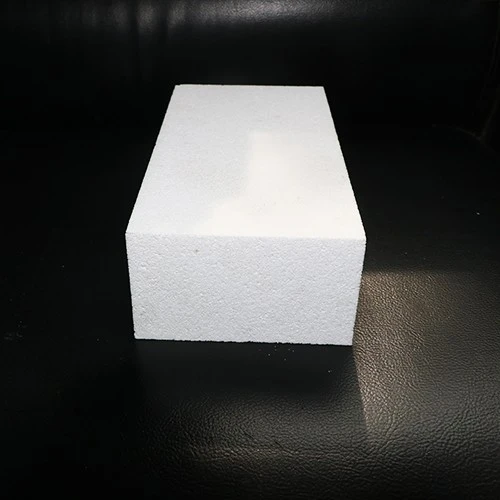
Whether you need Alumina Fire Bricks for your industrial furnace or Kiln Refractory Bricks for your kiln, we have the right products for you. We also offer a wide range of Fire Bricks to meet different customer needs.
If you're in the market for Alumina Refractory Bricks, don't hesitate to get in touch with us. We're always ready to discuss your requirements and provide you with the best solutions. Whether you're a small business or a large industrial enterprise, we can offer you competitive prices and excellent customer service. Contact us today to start your procurement process and see the difference our Alumina Refractory Bricks can make in your operations.

References
- "Refractory Materials Handbook"
- "Industrial Ceramics: Properties, Processing, and Applications"


