


Hey there! I'm a supplier of kiln bricks, and I've seen firsthand how important it is for these bricks to hold up in extreme weather conditions. In this blog, I'll share my insights on how kiln bricks perform when faced with the harshest elements nature can throw at them.
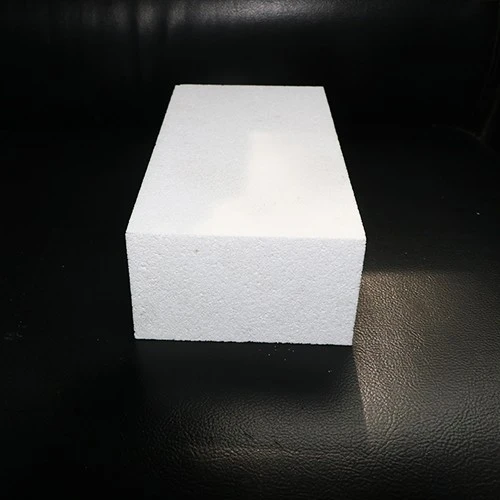
First off, let's talk about what kiln bricks are. Kiln bricks are specially designed to withstand high temperatures and are commonly used in industrial settings like kilns, furnaces, and fireplaces. They're made from high - quality materials and go through a rigorous manufacturing process to ensure their durability.
Performance in High - Temperature Conditions
One of the most extreme weather conditions that kiln bricks often encounter is high temperatures. Whether it's a scorching summer day or the intense heat inside a kiln, these bricks need to maintain their structural integrity.
Heat Resistance
Kiln bricks are built to be heat - resistant. For example, Heat Resistant Bricks are specifically engineered to handle high heat without melting or deforming. The materials used in these bricks, such as alumina and silica, have high melting points. This means that even when exposed to temperatures well above 1000 degrees Celsius, they won't lose their shape.
In a high - temperature industrial kiln, the heat - resistant bricks line the interior. They act as a barrier, protecting the outer structure of the kiln from the extreme heat. This not only ensures the safety of the equipment but also helps in maintaining a consistent temperature inside the kiln, which is crucial for processes like firing ceramics or melting metals.
Thermal Insulation
Another important aspect of kiln bricks in high - temperature conditions is their thermal insulation properties. Mullite Insulation Brick is a great example. These bricks are designed to reduce heat transfer. When there's a large temperature difference between the inside and outside of a kiln, the insulation bricks prevent the heat from escaping too quickly.
This is not only energy - efficient but also helps in protecting the surrounding environment from the intense heat. For instance, in a factory where multiple kilns are operating, proper insulation with mullite bricks can prevent the area around the kilns from becoming dangerously hot, reducing the risk of burns to workers and damage to nearby equipment.
Performance in Cold and Freezing Conditions
It's not just high temperatures that kiln bricks need to deal with. Cold and freezing conditions can also pose challenges.
Frost Resistance
In regions where winters are harsh and there's a lot of freezing and thawing, kiln bricks need to be frost - resistant. When water gets into the pores of the bricks and then freezes, it expands. If the bricks aren't frost - resistant, this expansion can cause cracks and eventually lead to the deterioration of the bricks.
Good quality kiln bricks are made with a low porosity or have special treatments to make them more resistant to frost. This means that even in areas with heavy snowfall and freezing temperatures, the bricks can maintain their strength and appearance over time. For example, if you're using kiln bricks for an outdoor fireplace in a cold climate, frost - resistant bricks will ensure that the fireplace remains in good condition for years to come.
Thermal Shock Resistance
Cold weather can also bring about thermal shock. Thermal shock occurs when there's a rapid change in temperature. For example, if a hot kiln is suddenly exposed to cold air during a winter night, the bricks need to be able to handle this sudden change without cracking.
Kiln bricks with high thermal shock resistance are designed to withstand these rapid temperature changes. They have a microstructure that can absorb the stress caused by the expansion and contraction of the material due to temperature variations. This property is especially important in industries where kilns are frequently started and stopped, as each cycle can cause a significant temperature change.
Performance in Humid and Wet Conditions
Humidity and wet conditions can also affect the performance of kiln bricks.
Moisture Absorption
Kiln bricks should have low moisture absorption rates. If they absorb too much moisture, it can lead to a variety of problems. For example, in a humid environment, the absorbed moisture can cause the bricks to weaken over time. It can also promote the growth of mold and mildew, which not only looks bad but can also affect the structural integrity of the bricks.
Quality kiln bricks are often treated to reduce their moisture absorption. This ensures that they can be used in areas with high humidity, such as near water bodies or in tropical climates, without being damaged by the moisture.
Corrosion Resistance
In wet conditions, there's also a risk of corrosion, especially if the bricks are exposed to chemicals in the water. For example, in some industrial settings where the water used in the process contains acids or alkalis, the kiln bricks need to be corrosion - resistant.
Fire Bricks are known for their corrosion - resistant properties. They can withstand the attack of various chemicals, making them suitable for use in environments where there's a risk of chemical exposure. This is important for maintaining the long - term performance of the bricks and the equipment they're used in.

Conclusion and Call to Action
As you can see, kiln bricks need to perform well in a wide range of extreme weather conditions. Whether it's high temperatures, cold and freezing, or humid and wet conditions, the right kiln bricks can make all the difference.
If you're in the market for high - quality kiln bricks that can handle extreme weather, look no further. I'm here as your trusted kiln brick supplier. I can provide you with a variety of kiln bricks, including heat - resistant, insulation, frost - resistant, and corrosion - resistant options.
Contact me to discuss your specific requirements and let's start a procurement negotiation. I'm confident that I can offer you the best kiln bricks for your needs at a competitive price.
References
- "Refractory Materials Handbook": A comprehensive guide on the properties and applications of kiln bricks and other refractory materials.
- Industry research reports on the performance of kiln bricks in different weather conditions.


