


As a seasoned supplier of Mullite Insulation Brick, I've witnessed firsthand the critical role that the ratio of raw materials plays in determining the final composition and performance of these bricks. In this blog post, I'll delve into the intricate relationship between raw material ratios and the composition of Mullite Insulation Brick, exploring how different proportions can lead to significant variations in properties and applications.
Understanding Mullite Insulation Brick
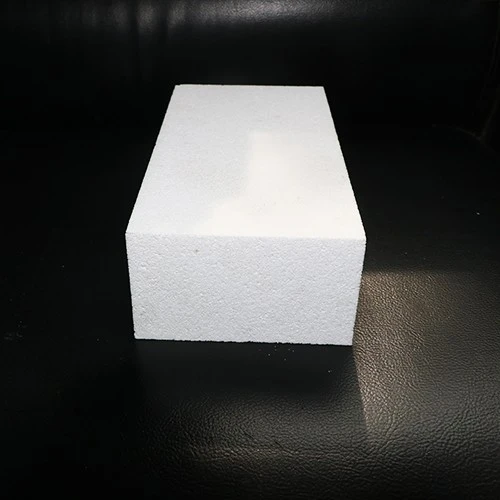
Mullite Insulation Brick is a type of refractory material known for its excellent thermal insulation properties, high temperature resistance, and low thermal conductivity. These bricks are widely used in various industrial applications, including Kiln Bricks, Fire Bricks, and Heat Resistant Bricks. The key component of Mullite Insulation Brick is mullite, a crystalline aluminum silicate mineral with a high melting point and good chemical stability.
Raw Materials Used in Mullite Insulation Brick
The primary raw materials used in the production of Mullite Insulation Brick include alumina (Al₂O₃), silica (SiO₂), and other additives. Alumina is the main source of aluminum in the mullite crystal structure, while silica provides the silicon component. The ratio of alumina to silica is crucial in determining the amount and quality of mullite formed during the firing process.
In addition to alumina and silica, other additives may be incorporated into the raw material mixture to enhance specific properties of the brick. These additives can include binders, fluxes, and pore-forming agents. Binders help to hold the raw materials together during the shaping process, while fluxes lower the melting point of the mixture and promote the formation of mullite. Pore-forming agents are used to create a porous structure in the brick, which improves its thermal insulation properties.

Effect of Raw Material Ratios on Mullite Formation
The ratio of alumina to silica in the raw material mixture has a significant impact on the formation of mullite during the firing process. Mullite is formed through a solid-state reaction between alumina and silica at high temperatures. The ideal molar ratio of alumina to silica for the formation of pure mullite is 3:2 (3Al₂O₃·2SiO₂). However, in practice, the actual ratio may deviate from this ideal value due to various factors, such as the source of raw materials and the firing conditions.
When the alumina content is relatively high, more mullite crystals are formed, resulting in a brick with higher strength, better thermal shock resistance, and improved chemical stability. However, an excessive amount of alumina can also lead to a decrease in the porosity of the brick, which may reduce its thermal insulation properties. On the other hand, when the silica content is relatively high, the formation of mullite is limited, and the brick may contain more glassy phase, which can affect its mechanical and thermal properties.
Influence of Additives on Brick Composition
In addition to the ratio of alumina to silica, the presence of additives in the raw material mixture can also affect the composition and properties of the Mullite Insulation Brick. Binders, such as clay or organic polymers, can improve the plasticity of the raw material mixture and facilitate the shaping process. However, the type and amount of binder used can also influence the firing shrinkage and porosity of the brick.
Fluxes, such as calcium oxide (CaO) or magnesium oxide (MgO), can lower the melting point of the raw material mixture and promote the formation of mullite at lower temperatures. This can reduce the energy consumption during the firing process and improve the production efficiency. However, excessive use of fluxes can also lead to the formation of low-melting-point phases in the brick, which can reduce its refractoriness and chemical stability.
Pore-forming agents, such as sawdust or graphite, are used to create a porous structure in the brick. The porosity of the brick has a direct impact on its thermal insulation properties, as the pores act as insulation barriers to reduce the heat transfer through the brick. The type and amount of pore-forming agent used can be adjusted to control the porosity and pore size distribution of the brick, which can optimize its thermal insulation performance.
Impact of Raw Material Ratios on Brick Properties
The ratio of raw materials and the presence of additives can have a profound impact on the properties of the Mullite Insulation Brick. These properties include strength, thermal conductivity, thermal shock resistance, and chemical stability.
- Strength: The strength of the Mullite Insulation Brick is mainly determined by the amount and quality of mullite formed during the firing process. A higher alumina content generally leads to a stronger brick, as more mullite crystals are formed. However, the porosity of the brick also plays a role in its strength. A highly porous brick may have lower strength compared to a less porous brick, even if it contains a higher amount of mullite.
- Thermal Conductivity: The thermal conductivity of the Mullite Insulation Brick is inversely proportional to its porosity. A more porous brick has lower thermal conductivity, as the pores act as insulation barriers to reduce the heat transfer through the brick. The ratio of raw materials and the use of pore-forming agents can be adjusted to control the porosity of the brick and optimize its thermal insulation performance.
- Thermal Shock Resistance: Thermal shock resistance refers to the ability of the brick to withstand rapid changes in temperature without cracking or spalling. Mullite has good thermal shock resistance due to its low coefficient of thermal expansion. A higher alumina content generally leads to better thermal shock resistance, as more mullite crystals are formed. However, the presence of glassy phase or low-melting-point phases in the brick can reduce its thermal shock resistance.
- Chemical Stability: Mullite has good chemical stability, especially against acidic and neutral slags. The chemical stability of the Mullite Insulation Brick is mainly determined by the amount and quality of mullite formed during the firing process. A higher alumina content generally leads to better chemical stability, as more mullite crystals are formed. However, the presence of impurities or low-melting-point phases in the brick can reduce its chemical stability.
Application Considerations
The composition and properties of the Mullite Insulation Brick are closely related to its application. Different industrial processes require bricks with specific properties to meet their unique requirements. For example, in high-temperature kilns, bricks with high strength, good thermal shock resistance, and low thermal conductivity are preferred. In applications where chemical resistance is critical, such as in the presence of acidic or alkaline environments, bricks with high chemical stability are required.
As a supplier of Mullite Insulation Brick, I understand the importance of tailoring the raw material ratios and additives to meet the specific needs of our customers. By carefully controlling the composition and properties of our bricks, we can provide high-quality products that offer optimal performance in various industrial applications.
Conclusion
In conclusion, the ratio of raw materials plays a crucial role in determining the composition and properties of Mullite Insulation Brick. The ratio of alumina to silica, as well as the presence of additives, can significantly affect the formation of mullite, the porosity of the brick, and its overall performance. By understanding the relationship between raw material ratios and brick properties, we can optimize the production process and provide high-quality Mullite Insulation Bricks that meet the specific requirements of our customers.
If you're in the market for high-quality Mullite Insulation Brick, I invite you to contact us to discuss your specific needs. Our team of experts is dedicated to providing you with the best solutions for your industrial applications. Let's work together to find the perfect brick for your project.
References
- Reed, J. S. (1995). Principles of Ceramics Processing. Wiley.
- Kingery, W. D., Bowen, H. K., & Uhlmann, D. R. (1976). Introduction to Ceramics. Wiley.
- Schneider, H., & Philippou, A. (2008). Refractories Handbook. Wiley-VCH.


