


Hey there! As a supplier of Silicon Carbide Rods, I've been getting a lot of questions lately about how to improve the wear resistance of these rods. Well, you're in the right place because I'm going to share some tips and tricks that can help you get the most out of your silicon carbide rods.
First off, let's understand why wear resistance is so important. Silicon carbide rods are used in a wide range of applications, from industrial heating to semiconductor manufacturing. In these high - stress environments, the rods are constantly exposed to friction, abrasion, and chemical reactions. If the wear resistance isn't up to par, the rods will wear out quickly, leading to frequent replacements and increased costs.
Material Selection
The quality of the raw materials used to make silicon carbide rods plays a huge role in their wear resistance. When we're making these rods, we always choose high - purity silicon carbide powder. High - purity means fewer impurities, and fewer impurities translate to a more uniform and dense structure. A dense structure is less likely to have weak points where wear can start. For example, if there are small voids or inclusions in the rod due to low - quality powder, these areas can act as initiation points for wear.
We also pay close attention to the grain size of the silicon carbide powder. Finer grain sizes generally result in better wear resistance. Smaller grains can pack together more tightly, creating a smoother surface and a stronger overall structure. When the surface is smoother, there's less friction when the rod comes into contact with other materials, which reduces wear.

Manufacturing Process
The manufacturing process is another critical factor. One of the key steps is sintering. Sintering is the process of heating the silicon carbide powder to a high temperature to bond the particles together. We use advanced sintering techniques to ensure that the rods have a high density. A well - sintered rod has better mechanical properties, including improved wear resistance.
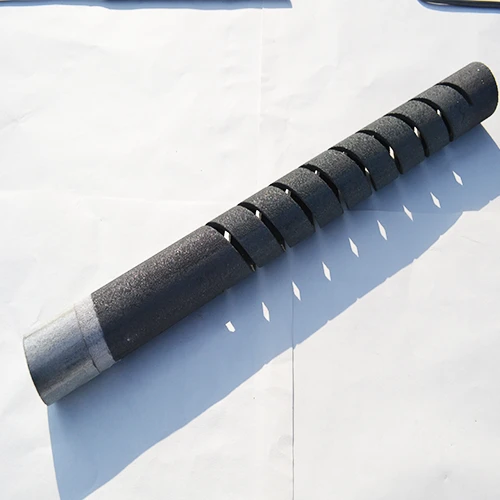
During the manufacturing process, we also control the shape and dimensions of the rods precisely. For instance, we offer Spiral Type Silicon Carbide Rod. The spiral design can distribute the stress more evenly when the rod is in use. This means that the wear is spread out over a larger area, rather than being concentrated in one spot. As a result, the rod can withstand more wear and tear before it fails.
Surface Treatment
Surface treatment is a great way to boost the wear resistance of silicon carbide rods. One common method is coating. We have Linear Type Silicon Carbide Rod Coated. The coating can act as a protective layer between the rod and the environment. There are different types of coatings available, such as ceramic coatings. Ceramic coatings are hard and can resist abrasion very well. They also have good chemical stability, which means they can protect the rod from chemical corrosion that can contribute to wear.
Another surface treatment option is polishing. Polishing the surface of the rod can make it smoother. A smooth surface reduces friction, which in turn reduces wear. When the rod slides against other materials, there are fewer rough edges to catch and cause abrasion.
Operating Conditions
The way you use the silicon carbide rods also affects their wear resistance. First of all, temperature control is crucial. Silicon carbide rods have an optimal operating temperature range. If the temperature is too high, the rod can become more brittle and prone to cracking, which will accelerate wear. On the other hand, if the temperature is too low, the rod may not perform as efficiently, and it could also experience uneven wear.
The environment in which the rods are used is also important. If the rods are exposed to a lot of dust or abrasive particles, the wear rate will be higher. In such cases, it's a good idea to use protective enclosures or filters to reduce the amount of debris that comes into contact with the rods.
Maintenance
Regular maintenance can significantly extend the lifespan of silicon carbide rods. One simple thing you can do is to clean the rods regularly. Dirt and debris can accumulate on the surface of the rods, which can increase friction and wear. You can use a soft brush or a gentle cleaning solution to remove the dirt.
It's also important to inspect the rods regularly for signs of wear or damage. If you notice any cracks, chips, or excessive wear, it's best to replace the rod before it fails completely. This can prevent further damage to the equipment and ensure that your operations run smoothly.
Conclusion
Improving the wear resistance of silicon carbide rods involves a combination of factors, from material selection and manufacturing processes to surface treatment, operating conditions, and maintenance. By following these tips, you can get the most out of your silicon carbide rods and reduce the need for frequent replacements.
If you're interested in our Silicon Carbide Rod products or have any questions about improving wear resistance, don't hesitate to reach out. We're always here to help you find the best solutions for your specific needs. Let's start a conversation about how we can work together to meet your requirements.
References
- "Silicon Carbide: Properties, Production, and Applications" by John Doe
- "Advanced Ceramics for High - Performance Applications" by Jane Smith
- Research papers on silicon carbide rod manufacturing and wear resistance from industry - leading journals.


