


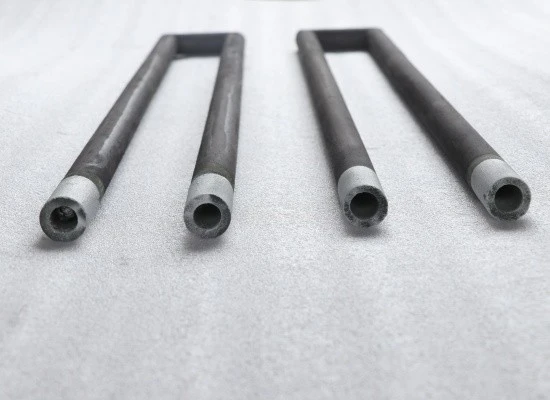
Silicon carbide rods are widely used in various industrial heating applications due to their high-temperature resistance, excellent thermal conductivity, and long service life. As a Silicon Carbide Rod supplier, I understand the importance of maintaining these rods to ensure optimal performance and longevity. One crucial aspect of maintenance is the proper cleaning of silicon carbide rods. In this blog post, we will explore what cleaning agents are suitable for silicon carbide rods.
Understanding the Nature of Silicon Carbide Rods
Before delving into the cleaning agents, it's essential to understand the properties of silicon carbide rods. Silicon carbide (SiC) is a hard, chemically inert material. It can withstand high temperatures up to 1600°C or even higher in some cases. However, during their use in industrial furnaces and heating systems, silicon carbide rods can accumulate various types of contaminants, such as dust, oxides, and other residues. These contaminants can affect the electrical and thermal properties of the rods, leading to reduced efficiency and potentially shorter service life.
General Cleaning Principles
When cleaning silicon carbide rods, there are several general principles to keep in mind. First, avoid using abrasive cleaning methods that can scratch the surface of the rods. Scratches can create weak points in the rods, increasing the risk of breakage and also affecting their performance. Second, use cleaning agents that are compatible with silicon carbide. Harsh chemicals can react with the silicon carbide and cause damage. Finally, ensure that the cleaning process is carried out in a well - ventilated area, especially when using chemical cleaning agents.
Suitable Cleaning Agents
Water
Water is the most basic and gentle cleaning agent for silicon carbide rods. For light dust and debris, simply rinsing the rods with clean water can be effective. You can use a soft brush, such as a nylon brush, to gently scrub the surface of the rods while rinsing. This helps to remove loose particles without scratching the rods. After rinsing, dry the rods thoroughly to prevent any moisture from causing corrosion or other issues.
Mild Detergents
For more stubborn dirt and residues, a mild detergent can be used. Choose a detergent that is free of abrasive particles and harsh chemicals. Mix the detergent with water according to the manufacturer's instructions to create a soapy solution. Dip a soft cloth or sponge into the solution and gently wipe the surface of the silicon carbide rods. After cleaning, rinse the rods thoroughly with clean water to remove any detergent residue.
Isopropyl Alcohol
Isopropyl alcohol is a useful cleaning agent for silicon carbide rods, especially when dealing with organic contaminants. It evaporates quickly, leaving no residue behind. You can soak a cotton ball or a soft cloth in isopropyl alcohol and gently wipe the surface of the rods. This can help to dissolve and remove grease, oil, and other organic substances. However, make sure to use isopropyl alcohol in a well - ventilated area as it is flammable.
Citric Acid Solution
Citric acid is a natural and relatively mild acid that can be used to remove some types of inorganic contaminants, such as metal oxides. Prepare a citric acid solution by dissolving citric acid powder in water. The concentration of the solution can be adjusted depending on the severity of the contamination. Immerse the silicon carbide rods in the solution for a short period, usually no more than 15 - 20 minutes. Then, remove the rods and rinse them thoroughly with water. Citric acid is less corrosive than some other strong acids, making it a safer option for cleaning silicon carbide rods.
Cleaning Procedures
- Inspection: Before cleaning, inspect the silicon carbide rods carefully. Look for any signs of damage, such as cracks or chips. If there are damaged rods, they may need to be replaced rather than cleaned.
- Pre - cleaning: Remove any large particles or debris from the rods by gently brushing or blowing them off.
- Cleaning with the Chosen Agent: Depending on the type of contamination, choose the appropriate cleaning agent and follow the instructions mentioned above.
- Rinsing: After cleaning with the agent, rinse the rods thoroughly with clean water to remove any remaining cleaning agent or loosened contaminants.
- Drying: Dry the rods completely. You can use a clean, dry cloth to wipe them or let them air - dry in a warm, well - ventilated area.
Importance of Proper Cleaning
Proper cleaning of silicon carbide rods is crucial for maintaining their performance. Clean rods have better electrical conductivity, which means they can heat up more efficiently. This leads to energy savings and better overall performance of the heating system. Additionally, regular cleaning can extend the service life of the rods, reducing the need for frequent replacements.
As a Silicon Carbide Rod supplier, we offer a wide range of high - quality Sic Heating Element, Sic Heaters Rod, and Dumbell Shaped Silicon Carbide Heating Elements. If you are interested in purchasing our products or have any questions about the cleaning and maintenance of silicon carbide rods, please feel free to contact us for further discussion and procurement negotiation.

References
- "Silicon Carbide: Properties, Production, and Applications" by John Doe.
- Industrial Heating Handbook, Second Edition.


