


Heat resistant bricks, also known as refractory bricks, are essential components in various high - temperature industrial applications. These bricks are designed to withstand extreme heat, corrosion, and mechanical stress, making them a staple in industries such as metallurgy, glass manufacturing, and ceramics production. As a supplier of heat resistant bricks, I often receive inquiries about the standard sizes of these bricks. In this blog, I will delve into the topic of the standard sizes of heat resistant bricks, exploring the factors that influence them and the common sizes available in the market.
Factors Influencing the Standard Sizes of Heat Resistant Bricks
1. Industrial Requirements
Different industries have specific requirements for heat resistant bricks based on their production processes. For example, in the steel industry, large - scale furnaces require bricks that can cover large areas and withstand high - intensity heat. In contrast, the ceramics industry may need smaller, more precisely sized bricks for kilns used in the production of delicate ceramic products. The nature of the industrial process, such as the temperature range, the type of materials being processed, and the size of the equipment, all play a role in determining the appropriate size of the heat resistant bricks.
2. Manufacturing Constraints
The manufacturing process of heat resistant bricks also affects their standard sizes. The raw materials used, the molding techniques, and the firing process all have limitations. For instance, if a particular type of clay or refractory material has low plasticity, it may be difficult to form large - sized bricks without cracking during the molding or firing process. Additionally, the size of the kiln used for firing the bricks can limit the maximum size of the bricks that can be produced.
3. Transportation and Handling
The size of heat resistant bricks must also be practical for transportation and handling. Large and heavy bricks can be difficult to transport, increasing the risk of damage during transit. Moreover, they can be challenging to handle on - site, requiring specialized equipment and labor. Therefore, standard sizes are often designed to balance the need for large - scale coverage in industrial applications with the practicalities of transportation and handling.
Common Standard Sizes of Heat Resistant Bricks
1. ISO Standard Sizes
The International Organization for Standardization (ISO) has established some standard sizes for heat resistant bricks. One of the most common ISO sizes is 230mm x 114mm x 65mm. This size is widely used in many industrial applications due to its versatility and ease of handling. It can be easily stacked and arranged in various configurations to meet the requirements of different furnaces and kilns.
2. Customary Sizes in Different Regions
In addition to ISO standard sizes, different regions may have their own customary sizes for heat resistant bricks. In the United States, for example, a common size is 9 inches x 4.5 inches x 2.5 inches (approximately 228.6mm x 114.3mm x 63.5mm). This size is similar to the ISO size and is widely used in American industries. In Europe, some countries may use slightly different sizes based on their historical manufacturing practices and industrial needs.
3. Special - Purpose Sizes
There are also special - purpose heat resistant bricks with non - standard sizes. These bricks are designed for specific applications, such as lining the corners or edges of furnaces, or for use in high - precision kilns. For example, some small - sized bricks may be used in the production of laboratory furnaces, where precise temperature control and a small footprint are required.
Compatibility with Heating Elements
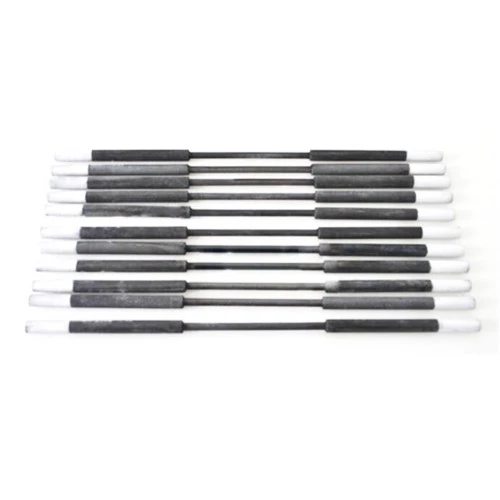
When using heat resistant bricks in industrial applications, it is important to consider their compatibility with heating elements. Heating elements such as Dumbell Shaped Silicon Carbide Heating Elements, Sic Heaters, and U - shaped Silicon Molybdenum Rod are commonly used in high - temperature environments. The size and layout of the heat resistant bricks should be designed to ensure proper installation and efficient operation of these heating elements.
For example, the spacing between the bricks should be sufficient to allow for the installation of the heating elements without causing overheating or damage to the bricks. Additionally, the thermal conductivity of the bricks should be compatible with the heat output of the heating elements to ensure uniform heating throughout the furnace or kiln.
Importance of Choosing the Right Size
Choosing the right size of heat resistant bricks is crucial for the performance and longevity of industrial equipment. If the bricks are too small, it may require more joints, which can increase the risk of heat leakage and reduce the overall efficiency of the furnace or kiln. On the other hand, if the bricks are too large, they may be difficult to install and may not fit properly in the equipment, leading to structural instability and potential damage.
Moreover, the right size of heat resistant bricks can also affect the cost - effectiveness of the project. Using the appropriate size can reduce the amount of waste material during installation and minimize the need for additional labor and equipment.
Conclusion
In conclusion, the standard size of heat resistant bricks is influenced by a variety of factors, including industrial requirements, manufacturing constraints, and transportation and handling considerations. There are common ISO standard sizes, as well as customary sizes in different regions and special - purpose sizes for specific applications. When using heat resistant bricks, it is important to consider their compatibility with heating elements and to choose the right size for optimal performance and cost - effectiveness.
As a supplier of heat resistant bricks, I am committed to providing high - quality products in a variety of sizes to meet the diverse needs of our customers. Whether you are in the steel industry, the ceramics industry, or any other high - temperature application, we can offer the right heat resistant bricks for your project. If you are interested in purchasing heat resistant bricks or have any questions about their sizes and applications, please feel free to contact us for a detailed consultation and procurement negotiation.

References
- ASTM International. (Year). Standard Specifications for Refractory Bricks. ASTM Publication.
- International Organization for Standardization. (Year). ISO Standards for Heat Resistant Bricks. ISO Publication.
- Industrial Furnace Handbook. (Year). A comprehensive guide to industrial furnace design and operation, including the use of heat resistant bricks. Publisher Name.


