

Company Profile
The company's production area covers an area of 40000 square meters and consists of eight workshops according to production processes, including crushing workshop, batching workshop, molding workshop, bonding workshop, drying workshop, resistance adjustment workshop, finished product workshop, and maintenance workshop.
We have large-scale equipment such as mixers, crushers, hydraulic presses, sintering furnaces, cutting machines, forming machines, docking machines, and various testing and inspection equipment. These hardware facilities provide guarantees for the company's automation and large-scale production.
For many years, the company has been committed to the research and development of high-temperature heating material technology and related fields, continuously improving product quality, accumulating rich manufacturing experience, possessing strong technical strength, advanced process equipment, complete quality assurance system and scientific management mode, providing high-quality products and perfect services for domestic and foreign customers.
Why Choose Us
Our factory
The company's production area covers an area of 40000 square meters and consists of eight workshops according to production processes, including crushing workshop, batching workshop, molding workshop, bonding workshop, drying workshop, resistance adjustment workshop, finished product workshop, and maintenance workshop.
Production equipment
We have large-scale equipment such as mixers, crushers, hydraulic presses, sintering furnaces, cutting machines, forming machines, docking machines, and various testing and inspection equipment. These hardware facilities provide guarantees for the company's automation and large-scale production.
Rich manufacturing experience
For many years, the company has been committed to the research and development of high-temperature heating material technology and related fields, continuously improving product quality, accumulating rich manufacturing experience, possessing strong technical strength, advanced process equipment, complete quality assurance system and scientific management mode, providing high-quality products and perfect services for domestic and foreign customers.
Production market
The products are exported to various parts of the country and exported to more than ten countries and regions such as South Korea, Japan, Thailand, India, etc., and are deeply trusted by customers. At present, the company's various products have passed ISO9001 international quality system certification.

Alumina hollow sphere bricks are mainly made of alumina hollow spheres and alumina powder, combined with other binders, and fired at 1750 degrees Celsius. It belongs to a type of energy-saving insulation material for ultra-high temperature materials.
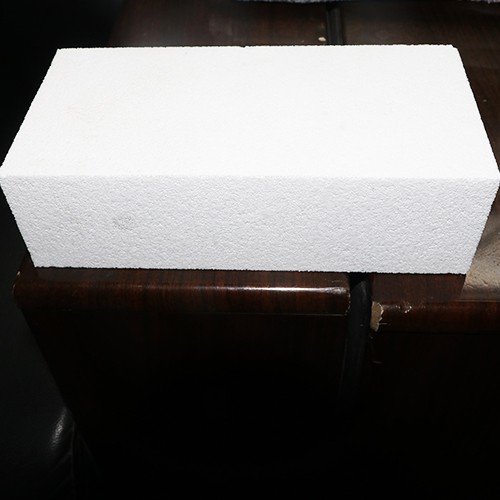
Mullite brick refers to a high alumina refractory material with mullite as the main crystal phase. The general alumina content is between 65% and 75%. In addition to mullite, minerals with lower alumina content also contain a small amount of glass phase and orthoclase; Those with higher alumina content also contain a small amount of corundum. Mainly used for hot blast stove top, blast furnace body and bottom, glass melting furnace heat storage chamber, ceramic sintering kiln, dead corner lining of petroleum cracking system, etc.

Mullite brick refers to a high alumina refractory material with mullite as the main crystal phase. The general alumina content is between 65% and 75%. In addition to mullite, minerals with lower alumina content also contain a small amount of glass phase and orthoclase; Those with higher alumina content also contain a small amount of corundum. Mainly used for hot blast stove top, blast furnace body and bottom, glass melting furnace heat storage chamber, ceramic sintering kiln, dead corner lining of petroleum cracking system, etc.

Alumina hollow sphere bricks are mainly made of alumina hollow spheres and alumina powder, combined with other binders, and fired at 1750 degrees Celsius. It belongs to a type of energy-saving insulation material for ultra-high temperature materials.

Alumina hollow sphere bricks are mainly made of alumina hollow spheres and alumina powder, combined with other binders, and fired at 1750 degrees Celsius. It belongs to a type of energy-saving insulation material for ultra-high temperature materials.

Alumina hollow sphere bricks are mainly made of alumina hollow spheres and alumina powder, combined with other binders, and fired at 1750 degrees Celsius. It belongs to a type of energy-saving insulation material for ultra-high temperature materials.

Alumina hollow sphere bricks are mainly made of alumina hollow spheres and alumina powder, combined with other binders, and fired at 1750 degrees Celsius. It belongs to a type of energy-saving insulation material for ultra-high temperature materials.

Alumina hollow sphere bricks are mainly made of alumina hollow spheres and alumina powder, combined with other binders, and fired at 1750 degrees Celsius. It belongs to a type of energy-saving insulation material for ultra-high temperature materials.
What Is Mullite Refractory Bricks
The refractory degree of mullite bricks is relatively high, reaching above 1790 ℃. The starting temperature for load softening is 1600-1700 ℃. The compressive strength at room temperature is 70-260MPa. Good thermal shock resistance. There are two types of bricks: sintered mullite bricks and fused mullite bricks.
Sintered mullite bricks are mainly made from high alumina bauxite clinker, with a small amount of clay or raw alumina added as a binder, and are formed and fired. Electric melted mullite bricks are made from high alumina, industrial alumina, and refractory clay as raw materials, with the addition of charcoal or coke particles as reducing agents.
After forming, they are manufactured using the reduction electric melting method. The crystallization of fused mullite is larger than that of sintered mullite, and its thermal shock resistance is better than that of sintered products. Their high-temperature performance mainly depends on the content of alumina and the uniformity of the distribution of mullite phase and glass.
Advantages of Mullite Refractory Bricks
High-temperature strength
They have a high-temperature strength that makes them suitable for use in high-temperature applications. The melting point of mullite is approximately 1820°C, which is higher than other refractory materials like fireclay bricks and high alumina bricks. This property allows the mullite refractory brick to withstand high temperatures without deformation or cracking, ensuring the integrity of the furnace lining.
Good thermal shock resistance
They exhibit excellent thermal shock resistance due to their low coefficient of thermal expansion. This means that it does not expand and contract significantly when exposed to sudden temperature changes, reducing the risk of thermal stresses and cracking. This property also makes them more resistant to spalling under rapid heating and cooling cycles, prolonging their service life compared to other refractory materials.
Excellent chemical stability
Mullite refractory brick has excellent chemical stability, which makes it suitable for use in harsh chemical environments. It is highly resistant to acidic and basic environments, making it an ideal choice for applications such as metallurgy, petrochemical processing, and glassmaking. They do not react with most chemicals, ensuring the integrity of the furnace lining and preventing contamination of the product.
Low thermal conductivity
They have a low thermal conductivity, which makes them a good insulators. This property allows furnaces to maintain high temperatures with less energy consumption, reducing operating costs and environmental impact. The low thermal conductivity of that also reduces heat loss, ensuring efficient use of energy.
Types of Mullite Refractory Bricks
Mullite lightweight bricks are divided into JM23, JM26, JM28, and JM30 according to the grade. According to different use temperatures, it is mainly divided into 1350 lightweight mullite bricks, 1450 mullite insulation bricks, 1550 mullite lightweight bricks, etc.
By introducing ZrO2 into A12O3-SiO2 series bricks to improve the structure of mullite, the chemical corrosion resistance, thermal shock resistance and expansion coefficient of mullite can be improved. This kind of mullite brick containing ZrO2 is commonly known as zirconium mullite brick. It is generally produced by the electric melting method, and it is also produced by the sintering method.
The addition of ZrO2 can accelerate the densification and sintering process of ZTM materials due to the generation of low melting point substances and the formation of vacancies. When the mass fraction of ZrO2 is 30%, the relative theoretical density of the body fired at 1530°C reaches 98%, the strength reaches 378MPa, and the toughness reaches 4.3MPa·m1/2.Using industrial alumina and zircon as raw materials, the zircon mullite bricks made by reaction sintering are difficult to control the process because the reaction and sintering are carried out at the same time.
Sintered mullite bricks are made of aluminum and silicon oxides or other compounds and aluminosilicate minerals. According to the chemical ratio, the synthetic mullite is made from the mixture and sintered at a high temperature, and then crushed and shaped, dried, and sintered at a high temperature to form a refractory brick. In good-quality synthetic mullite, the mullite content should reach 95%, which controls the requirements for the chemical purity of raw materials.
When the sintering conditions are constant, the higher the purity of the raw materials, the more difficult it is for the crystals to grow, and the smaller the size of the mullite crystals. When it contains 5% to 10% glass phase, mullite can develop into columnar euhedral crystals with a length of about 10 μm. Synthetic mullite contains about 90% mullite, and there are glass phases and pores between mullite crystal phases. When the content of the glass phase increases (such as 20%), the mullite crystals develop well, and the mullite is cemented by the glass phase.
Mullite bricks prepared by the melting-solidification crystallization process are called fused mullite bricks. Columnar mullite crystals in bricks can reach a millimeter scale. By changing the processing system, the size of mullite crystals can be controlled to be smaller.The analysis shows that although the design Al2O3/SiO2 is 3:2, the ratio of Al2O3/SiO2 in the composition of fused mullite is often close to 2:1.
This is because fused crystal bricks contain 10% to 15% of the glass phase. If the ingredient composition is higher than 3:2 or close to 2:1, the intercrystalline glass phase will be reduced to less than 5%. Therefore, the fused mullite brick made of a mixture containing about 72% Al2O3 always contains a lot of glass phases. At the same time, the phase composition is also related to the melting system and atmosphere.
Corundum mullite bricks are high alumina refractory bricks composed of corundum and mullite main crystal phases. Corundum mullite bricks refer to refractory bricks made of high-purity or relatively pure raw materials.
Both mullite insulation bricks and mullite refractory bricks are primarily composed of mullite crystals, which are alumina silicates with a specific crystal structure. Mullite is known for its excellent thermal stability, high melting point, and resistance to thermal shock. However, the composition of these two types of bricks differs in terms of additional ingredients and density.
Mullite insulation bricks are designed to have low thermal conductivity. They are generally made by combining high-purity mullite grains with lightweight refractory aggregates, such as expanded perlite or vermiculite. The addition of these lightweight materials results in a lower density, which contributes to their superior insulating properties. Mullite refractory bricks are engineered to withstand high temperatures and harsh environments.
They are typically made by blending mullite grains with other refractory materials, such as alumina and silica, to enhance their mechanical strength and resistance to chemical attacks. These bricks have a higher density compared to mullite insulation bricks, which allows them to endure more severe thermal conditions. But Mullite insulation bricks and mullite refractory bricks are different in thermal conductivity properties, temperature performance and application.
The thermal conductivity properties are different
Fire resistance of mullite insulation bricks: Mullite insulation bricks have good thermal insulation properties due to their low density and the characteristics of mullite fiber. Its thermal conductivity is low, which can effectively reduce heat conduction and loss.
Fire resistance of mullite refractory bricks: Due to different sintering processes and material composition, mullite refractory bricks usually have higher density and higher thermal conductivity. Compared with insulating bricks, refractory bricks are more suitable for withstanding thermal shock and chemical attack in high temperature environments.
Fire resistance properties are different
Fire resistance of mullite insulation bricks: Due to its fiber structure, mullite insulation bricks may soften or melt at high temperatures, so their use temperatures are usually low. It is primarily used to provide thermal insulation as a supplement to internal refractory materials.
Fire resistance of mullite refractory bricks: Mullite refractory bricks have extremely high fire resistance and can withstand high temperatures, thermal shock and chemical erosion. It is commonly used in interior linings of high-temperature industrial equipment to provide structural support and fire protection.
The application fields are different
Mullite insulation bricks are widely used in metallurgy, electric power, petrochemical and other industrial fields as the insulation layer of furnaces to reduce energy loss and improve energy efficiency.
Mullite refractory bricks are suitable for lining high-temperature equipment and furnaces, such as converters, glass kilns, cement kilns, etc. in the steel industry.
The Application of Mullite Refractory Bricks in the Glass Furnace
Front wall
The front wall of the glass melting furnace is close to the batch material area. Due to the large temperature fluctuations in this area and the large amount of dust in the raw materials, the conditions are relatively harsh. Material dust erosion ability. Therefore, the hanging wall and the wing wall of the feeding port can be designed to use re-sintered fused mullite refractory bricks.
Neck
The neck is generally designed with a water bag and agitator. During equipment maintenance, there will be a large temperature difference in the space of the neck. It is a better design choice to use sintered mullite refractory bricks in this place.
Port and upper wall of regenerator
Because mullite refractory bricks, especially mullite refractory bricks made of fused zollite, also have good resistance to the erosion of batch materials and alkali vapor, re-sintered fused mullite refractory bricks can be used in port. At least it can be used in the last few pairs of port to improve the operating environment of the small furnace and reduce the cost of this part. Similarly, re-sintered fused mullite refractory bricks can also be used in the upper wall of the regenerator.
Compared with alkaline bricks, mullite refractory bricks have lower thermal conductivity and expansion coefficient, which can reduce the expansion and deformation tendency of the kiln body and reduce the the cost of heat dissipation and heat preservation of the kiln body.
Coal-fired glass melting furnace port ascending channel and tongue
As we all know, the service life bottleneck of the gas kiln lies in the small furnace. In the traditional design, silica bricks are used to equip the fused zirconia corundum brick tongue. Since the temperature here is lower than 1450℃, the use of silica bricks in this part is not the best choice. , this part is severely eroded, and the good anti-corrosion performance of mullite refractory bricks can prolong the service life of this part.
Checker bricks for gas regenerator
The grid body of the gas regenerator currently designed is made of clay bricks, and the general service life is 3 years, which cannot meet the needs of the increasingly long kiln age. Replacing the grid bricks is not only labor-intensive, but also causes damage to other parts of the furnace. Using a certain amount of sintered mullite refractory bricks on the top of the gas grid can increase the service life of the kiln.
Operating hole
Mullite refractory bricks have good thermal stability and high temperature strength, and can be used in various operating holes of the furnace, such as observation holes, spray gun holes, air supply holes and other parts.
High alumina brick manufacturer, RS high alumina refractory brick manufacturer's description of lightweight mullite insulation bricks, also known as mullite insulation bricks. Since the mineral mullite is rare, it can only be synthesized artificially. When the synthesized mullite is mixed in a certain proportion, a stable compound in the system, that is, mullite crystal, can be formed at a certain temperature. The composition of mullite is about 79% Al2O3 and 21% SiO2.
The current production method of mullite refractory bricks is usually wet production. The main raw materials are kaolin, polystyrene plastic particles (such as foamed polystyrene particles), mullite clinker, sawdust, etc. The process flow is to add water to the raw materials for stirring, and then use a mud extruder to extrude bricks with a moisture content of about 36%.
The bricks are then dried in the shade for 5-6 days until the moisture content is about 17%. Then dry it to a moisture content of about 3%. Finally, firing takes place. This method will cause an irregular shrinkage of 6% in the overall volume after firing. Therefore, it is necessary to cut the 6 sides of the brick body to the preset size. The disadvantages of this production method are as follows.
First, the amount of water added is large, the production cycle is long, and drying in the shade is greatly affected by weather conditions and the efficiency is low. Second, polystyrene plastic particles produce harmful volatile matter during the firing process (similar to burning plastic). Third, production costs are higher. In order to get bricks of the right size, the rough bricks need to be cut after being fired. About 1.6 tons of materials can often only produce about 1 ton of finished products, resulting in a certain degree of waste.
The main function of mullite lightweight insulation bricks is as heat insulation for kilns. The smaller its density, the lower the thermal conductivity, and the better the thermal insulation effect. And the smaller the density, the fewer mineral raw materials are required for manufacturing, which also saves refractory mineral resources.
The density of mullite lightweight insulation bricks is mainly determined by the amount of high-temperature burning loss filler added. During molding, a lot of filler will be lost due to high-temperature burning, and the density will be low after sintering. However, lightweight, low density, and strength are a pair of contradictions.
The more high-temperature ignition loss filler is added, the lower the bulk density of the resulting refractory product will be, but it will not only be more difficult to form and combine, but it will also be difficult to obtain the strength that meets the usage requirements. Therefore, it is difficult to make the actual density very low. Objectively reducing the density will lead to the reduction of other properties. For example, the strength decreases, the temperature decreases when exposed to open flames, and the service life decreases. It cannot meet the usage requirements and has no commercial value.
Mullite Refractory Bricks Selection
In a wide range of industrial applications, there is a thermal insulation brick that has many fine pores, a bit like the surface of the moon. But it is this kind of bumpy insulation brick that has brought great help to industrial production. Mullite refractory brick is a high alumina refractory material with mullite as the main crystal phase. It has the following requirements for raw materials:


It is required that the appearance of the foamed polystyrene beads is white, the particle size is uniform, and the diameter is within 0.5-2mm. The selected sawdust is required to be screened by a 2mm sieve to remove impurities and fine sawdust on the screen. The clinker is required to be crushed by a mill and crushed by a vibrating ball mill. The composition of industrial alumina is required to be al2o3>99%; sio2<0.10%; al2o3<0.05%.
Lightweight mullite refractory bricks have the characteristics of high temperature resistance, high thermal shock stability, high strength, and low thermal conductivity. Widely used in ceramic roller kilns, shuttle kilns, cracking furnaces, hot blast stoves and the lining of various electric furnaces, furnace door bricks, kiln car bricks, etc.
The advantages are high purity, low impurity content, high temperature resistance, direct contact with flame, corrosion resistance to various atmospheres, low thermal conductivity, low thermal fusion, high strength, excellent thermal shock resistance, high dimensional accuracy, and can be arbitrarily cut. The body density can be between 0.5 0.6 0.8 0.9 1.0 1.2 1.5 according to the user's requirements.
It acts on the high temperature kiln and directly contacts the flame, and has the characteristics of good heat preservation effect, high compressive strength and low thermal conductivity. It is suitable for heat preservation of electric kilns, various high temperature rotary kilns, tunnel kilns, nitrogen gas kilns, etc.
The company's production area covers an area of 40000 square meters and consists of eight workshops according to production processes, including crushing workshop, batching workshop, molding workshop, bonding workshop, drying workshop, resistance adjustment workshop, finished product workshop, and maintenance workshop.
We have large-scale equipment such as mixers, crushers, hydraulic presses, sintering furnaces, cutting machines, forming machines, docking machines, and various testing and inspection equipment. These hardware facilities provide guarantees for the company's automation and large-scale production.
For many years, the company has been committed to the research and development of high-temperature heating material technology and related fields, continuously improving product quality, accumulating rich manufacturing experience, possessing strong technical strength, advanced process equipment, complete quality assurance system, and scientific management mode, providing high-quality products and perfect services for domestic and foreign customers.
The products are exported to various parts of the country and exported to more than ten countries and regions such as South Korea, Japan, Thailand, India, etc., and are deeply trusted by customers. At present, the company's various products have passed ISO9001 international quality system certification.


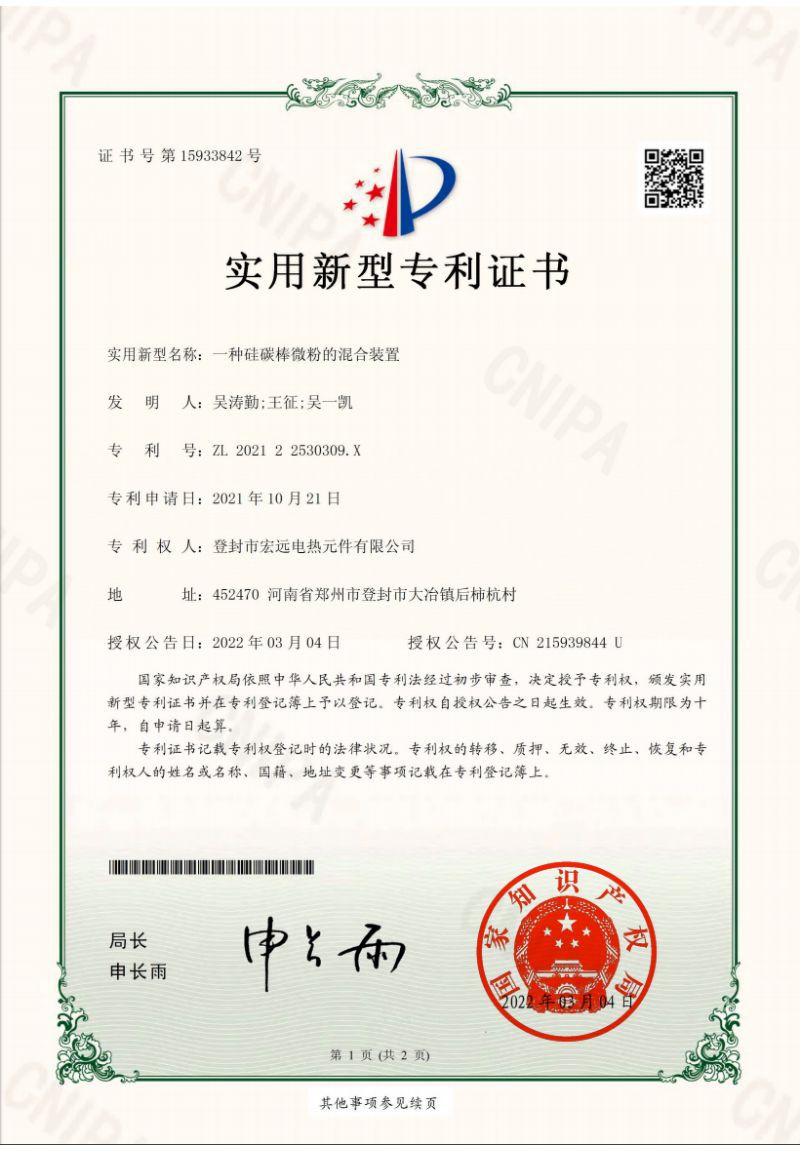
Certificates


FAQ
Hot Tags: mullite refractory bricks, China mullite refractory bricks manufacturers, factory, refractory bricks for monitoring, refractory bricks for vibrating feeder, Kiln Refractory Bricks, refractory bricks for control valve, refractory bricks for brand management, refractory bricks for ruthenium smelting


