


Hey there! As a supplier of Silicon Carbide Rollers, I often get asked if these rollers can be used in the textile industry. Well, let's dive right into it and explore this question.
First off, let's talk about what silicon carbide rollers are. Silicon carbide is a super - tough and heat - resistant material. It's made up of silicon and carbon, and it has some amazing properties that make it stand out. The rollers are essentially cylindrical objects made from this silicon carbide material, and they're used in a variety of industrial applications.
Now, when it comes to the textile industry, there are several factors to consider whether silicon carbide rollers can be a good fit.
Temperature Resistance
One of the key aspects in the textile industry is heat treatment. Fabrics often go through processes like drying, curing, and heat setting. Silicon carbide rollers are known for their excellent temperature resistance. They can withstand high temperatures without deforming or losing their structural integrity. For example, in a heat - setting process, where fabrics need to be exposed to high heat to set their shape, silicon carbide rollers can handle the heat. This is a huge advantage because it means they can be used in long - term, high - temperature operations without the need for frequent replacements.
Wear Resistance
Textile manufacturing involves a lot of friction. Fabrics are constantly moving over rollers, and this can cause significant wear and tear on the rollers. Silicon carbide is extremely wear - resistant. It can withstand the abrasion caused by the movement of fabrics, which means the rollers have a longer lifespan compared to other materials. This is not only cost - effective for textile manufacturers but also reduces downtime for maintenance and replacement.
Chemical Resistance
The textile industry uses a variety of chemicals in the dyeing, printing, and finishing processes. These chemicals can be harsh and corrosive. Silicon carbide rollers have good chemical resistance, which means they won't be easily damaged by the chemicals used in the textile production. This is crucial as it ensures that the rollers can maintain their performance even in a chemically - aggressive environment.
Surface Finish
Silicon carbide rollers can be manufactured with a very smooth surface finish. In the textile industry, a smooth surface is essential for proper fabric handling. It helps to prevent snagging of the fabric, which can lead to defects in the final product. A smooth - surfaced silicon carbide roller allows for a more even and consistent movement of the fabric, resulting in a higher - quality end product.
Application in Different Textile Processes
Dyeing and Printing
In dyeing and printing processes, silicon carbide rollers can be used to transport the fabric through the dye or printing stations. Their heat and chemical resistance make them suitable for these processes. For instance, during the dyeing process, the rollers need to withstand the high - temperature dye baths and the chemicals in the dyes. The smooth surface of the rollers ensures that the fabric moves smoothly through the dyeing equipment, resulting in an even dye distribution.
Heat Setting
As mentioned earlier, heat setting is an important process in the textile industry. Silicon carbide rollers can be used in heat - setting machines. They can provide a stable and even heat source, which is crucial for setting the fabric's shape. The high - temperature resistance of the rollers allows them to operate effectively in the heat - setting environment, ensuring that the fabric retains its desired shape.
Comparing with Other Materials
When compared to other materials commonly used in the textile industry, like steel or rubber rollers, silicon carbide rollers have some distinct advantages. Steel rollers, for example, can rust when exposed to moisture or chemicals, which is a common issue in the textile industry. Rubber rollers can wear out quickly due to the high friction and heat involved in textile processes. Silicon carbide rollers, on the other hand, offer better heat, wear, and chemical resistance, making them a more reliable option.
Additional Products for the Textile Industry
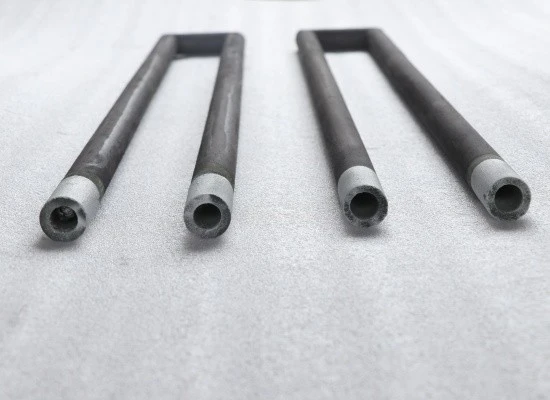
Apart from silicon carbide rollers, we also offer other products that can be useful in the textile industry. For example, the Sic Heating Element can be used in heating systems for processes like drying and heat setting. These heating elements are made of silicon carbide, which means they have high - temperature resistance and can provide efficient heating.
Another product is the W Type Silicon Molybdenum Rod. These rods are great for high - temperature applications in the textile industry. They can be used in furnaces or heating chambers where precise temperature control is required.
We also have Mullite Insulation Brick. These bricks are used for insulation in heating equipment. In the textile industry, where energy efficiency is important, these insulation bricks can help to reduce heat loss and save energy.
Conclusion
So, can silicon carbide rollers be used in the textile industry? Absolutely! Their temperature resistance, wear resistance, chemical resistance, and smooth surface finish make them a great fit for various textile processes. Whether it's dyeing, printing, or heat setting, silicon carbide rollers can play a crucial role in improving the efficiency and quality of textile production.
If you're in the textile industry and are looking for high - quality silicon carbide rollers or any of our other products, don't hesitate to reach out. We're here to help you find the best solutions for your textile manufacturing needs. Let's start a conversation and see how we can work together to enhance your production processes.

References
- Textile Industry Handbook: A comprehensive guide on textile manufacturing processes and equipment.
- Silicon Carbide Materials Research: Studies on the properties and applications of silicon carbide in industrial settings.


