


Hey there! As a supplier of Silicon Carbide Rod Heaters, I've gotten a ton of questions about the best way to clean these bad boys. Silicon carbide rod heaters are super popular in all sorts of industries, from metallurgy to ceramics, because they can handle high temperatures and are really durable. But like any piece of equipment, they need a little TLC to keep them working at their best. So, let's dive into the best ways to clean a silicon carbide rod heater.
Why Cleaning Matters
First off, let's talk about why cleaning your silicon carbide rod heater is so important. Over time, these heaters can accumulate all kinds of gunk, like dust, dirt, and even chemical residues. This buildup can affect the heater's performance, making it less efficient and potentially shortening its lifespan. A dirty heater might also not heat up evenly, which can lead to inconsistent results in your processes. So, regular cleaning is key to keeping your heater running smoothly and getting the most out of your investment.
Pre - Cleaning Checks
Before you start cleaning, there are a few things you need to do. First, and this is really important, make sure the heater is completely turned off and has cooled down. Silicon carbide rod heaters can get extremely hot during operation, and trying to clean them while they're still warm can be dangerous. You could burn yourself, or worse, damage the heater.
Next, take a good look at the heater. Check for any visible signs of damage, like cracks or chips. If you notice any damage, it's best to consult a professional before attempting to clean the heater. Damaged heaters might need special handling or even replacement parts.
Cleaning Methods
Now, let's get into the actual cleaning methods. There are a few different ways to clean a silicon carbide rod heater, and the best method for you will depend on the type and extent of the dirt and debris.

Dry Cleaning
For light dust and dirt, dry cleaning is often the way to go. You can use a soft - bristled brush, like a paintbrush or a specialized furnace brush, to gently remove the dust from the surface of the rods. Make sure to be gentle so you don't scratch or damage the rods. Start at one end of the rod and work your way to the other, using short, gentle strokes. You can also use compressed air to blow away any loose debris. Just be careful not to use too much pressure, as this could damage the rods.
Wet Cleaning
If the rods are really dirty or have chemical residues on them, you might need to do a wet cleaning. But be careful, because silicon carbide can react with certain chemicals. For wet cleaning, you can use a mild detergent mixed with water. Make sure the detergent is non - abrasive and doesn't contain any harsh chemicals.
Dip a soft cloth or sponge into the soapy water and gently wipe the surface of the rods. Avoid soaking the rods in water, as this can cause damage. After wiping, rinse the cloth or sponge with clean water and wipe the rods again to remove any soap residue. Then, use a dry cloth to dry the rods thoroughly.
Chemical Cleaning
In some cases, you might need to use a chemical cleaner. But this should be a last resort, as it can be risky. If you do decide to use a chemical cleaner, make sure it's specifically designed for cleaning silicon carbide. Always follow the manufacturer's instructions carefully. Wear protective gear, like gloves and goggles, to protect yourself from the chemicals.
Apply the cleaner to a cloth or sponge and gently wipe the rods. Let the cleaner sit on the rods for the recommended amount of time, then rinse it off thoroughly with clean water. Again, dry the rods completely after cleaning.
Choosing the Right Tools
Having the right tools for the job can make cleaning your silicon carbide rod heater a lot easier. As I mentioned before, a soft - bristled brush is great for dry cleaning. You can also get a small handheld vacuum cleaner with a soft brush attachment to suck up the dust.
For wet cleaning, use soft cloths or sponges. Avoid using abrasive materials, like steel wool or rough scrubbers, as these can scratch the surface of the rods and damage them.
Maintenance Tips
Cleaning your silicon carbide rod heater is just one part of maintenance. Here are a few other tips to keep your heater in top condition:
- Regular Inspections: Check your heater regularly for any signs of wear and tear. Look for changes in the color or texture of the rods, as these can be signs of a problem.
- Proper Installation: Make sure your heater is installed correctly. Improper installation can lead to uneven heating and premature wear.
- Use in the Right Environment: Silicon carbide rod heaters work best in a clean, dry environment. Try to keep the area around the heater free from dust and debris.
Related Products
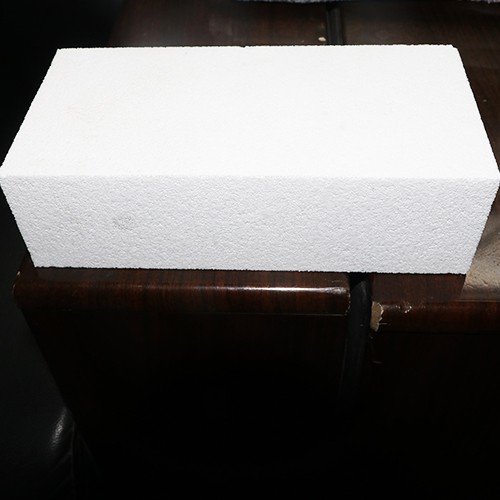
As a supplier, I also want to mention a couple of related products that you might find useful. Mullite Refractory Bricks are great for lining furnaces where silicon carbide rod heaters are used. They can withstand high temperatures and provide excellent insulation.
We also offer Linear Type Silicon Carbide Rod Coated and ED Type Silicon Carbide Rod, which are different types of silicon carbide heaters with their own unique features and benefits.
Conclusion
Cleaning your silicon carbide rod heater is an important part of keeping it working well and extending its lifespan. By following the tips and methods I've outlined in this blog, you can ensure that your heater stays in great condition.
If you're in the market for a new silicon carbide rod heater or any of our related products, or if you have more questions about cleaning and maintenance, don't hesitate to reach out. We're here to help you with all your heating element needs.
References
- Manufacturer's manuals of silicon carbide rod heaters
- Industry standards for cleaning and maintaining high - temperature heating elements


