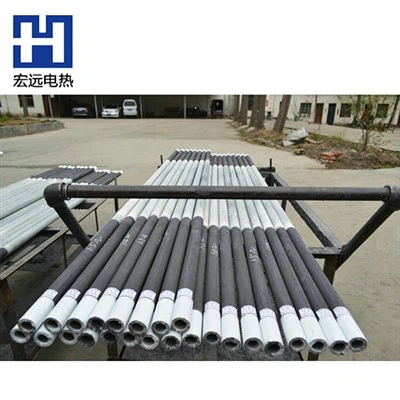

As a supplier of silicon carbide rods, I am often asked about the chemical stability of these essential heating elements. Silicon carbide rods are widely used in various industrial applications due to their excellent thermal and electrical properties. In this blog, I will delve into the chemical stability of silicon carbide rods, exploring their resistance to different chemical environments and the factors that can affect their performance.
Understanding Silicon Carbide
Silicon carbide (SiC) is a compound of silicon and carbon, known for its high hardness, thermal conductivity, and chemical resistance. It is produced by heating silica sand and carbon in an electric furnace at high temperatures. The resulting material has a crystalline structure that gives it unique properties, making it suitable for a wide range of applications, including heating elements in industrial furnaces.
Chemical Stability in Oxidizing Environments
One of the key advantages of silicon carbide rods is their excellent resistance to oxidation. At high temperatures, most metals and alloys tend to react with oxygen in the air, forming oxides that can degrade the material over time. However, silicon carbide forms a protective layer of silicon dioxide (SiO₂) on its surface when exposed to oxygen at high temperatures. This layer acts as a barrier, preventing further oxidation of the underlying silicon carbide.
The formation of the SiO₂ layer is a self - limiting process, which means that once the layer is formed, the oxidation rate slows down significantly. This property allows silicon carbide rods to be used in oxidizing environments at temperatures up to 1600°C (2912°F) without significant degradation. For example, in heat treatment furnaces where the atmosphere contains oxygen, silicon carbide rods can maintain their structural integrity and performance over long periods.
Resistance to Corrosive Gases
Silicon carbide rods also exhibit good resistance to many corrosive gases. In industrial processes, furnaces may be exposed to gases such as sulfur dioxide (SO₂), hydrogen sulfide (H₂S), and chlorine (Cl₂). These gases can react with many materials, causing corrosion and reducing the lifespan of the heating elements.
Silicon carbide is relatively inert to these gases at high temperatures. The protective SiO₂ layer on the surface of the silicon carbide rod can prevent the corrosive gases from reacting directly with the underlying material. However, in some cases, the prolonged exposure to highly concentrated corrosive gases or certain halogen - containing gases may cause some degree of degradation. For example, in a chlorine - rich environment, the chlorine can react with the SiO₂ layer, gradually eroding it and exposing the silicon carbide to further attack.
Compatibility with Refractory Materials
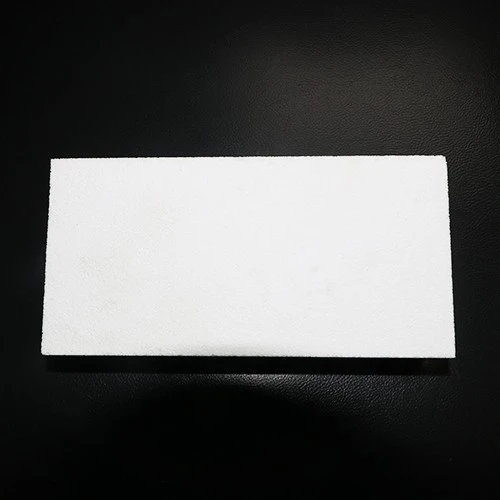
In industrial furnaces, silicon carbide rods are often used in conjunction with refractory materials. The chemical stability of silicon carbide rods also depends on their compatibility with these refractory materials. Mullite Refractory Bricks are commonly used in furnaces due to their high - temperature resistance and good thermal insulation properties.
Silicon carbide rods generally have good chemical compatibility with mullite refractory bricks. There is little chemical reaction between the two materials at high temperatures, which ensures that the furnace structure remains stable and the performance of the heating elements is not affected. However, it is important to ensure that the installation and operation of the furnace are carried out correctly to prevent any potential chemical interactions that may occur due to improper conditions.
Factors Affecting Chemical Stability
Several factors can affect the chemical stability of silicon carbide rods. Temperature is one of the most important factors. As the temperature increases, the reactivity of the silicon carbide with the surrounding environment also increases. Although silicon carbide has good resistance to oxidation at high temperatures, extremely high temperatures may cause the protective SiO₂ layer to break down, leading to more rapid oxidation.
The purity of the silicon carbide is another crucial factor. Impurities in the silicon carbide can react with the surrounding environment, reducing the chemical stability of the rod. High - purity silicon carbide rods are generally more chemically stable and have a longer lifespan than rods with lower purity.
The atmosphere in the furnace also plays a significant role. As mentioned earlier, oxidizing, reducing, and corrosive atmospheres can all have different effects on the chemical stability of silicon carbide rods. It is essential to carefully control the furnace atmosphere to ensure the optimal performance of the heating elements.
Different Types of Silicon Carbide Rods and Their Chemical Stability
There are various types of silicon carbide rods available in the market, each with its own unique properties and applications. Threaded Silicon Carbide Rod is designed with threads for easy installation and connection in the furnace. These rods usually have similar chemical stability properties as other silicon carbide rods, but the threaded design may require more careful handling to ensure that the integrity of the protective layer is maintained.
DB Type Sic Rod is another popular type. The specific design and manufacturing process of DB type rods may give them slightly different chemical stability characteristics compared to other types. However, in general, they still offer good resistance to oxidation and many corrosive environments.

Maintenance and Long - Term Chemical Stability
To maintain the chemical stability and long - term performance of silicon carbide rods, proper installation and maintenance are essential. During installation, it is important to ensure that the rods are installed correctly and that there is no damage to the surface. Any damage to the protective SiO₂ layer can expose the underlying silicon carbide to the surrounding environment, reducing its chemical stability.
Regular inspection of the rods is also necessary. If any signs of degradation or damage are detected, such as cracks, flaking, or discoloration, the rods should be replaced in a timely manner. Additionally, controlling the furnace atmosphere and operating conditions can help to extend the lifespan of the silicon carbide rods.
Conclusion
In conclusion, silicon carbide rods offer excellent chemical stability in a wide range of industrial applications. Their resistance to oxidation, many corrosive gases, and compatibility with refractory materials make them a preferred choice for high - temperature heating elements. However, factors such as temperature, purity, and furnace atmosphere can affect their chemical stability.
As a supplier of silicon carbide rods, I am committed to providing high - quality products and technical support to ensure that our customers can achieve the best performance from their heating elements. If you are interested in purchasing silicon carbide rods for your industrial applications, please feel free to contact us for more information and to discuss your specific requirements.
References
- K. M. Rabe, "Silicon Carbide - A Review of Its Properties and Applications", Journal of Materials Science, Vol. 20, 1985.
- R. C. Bradt, "High - Temperature Oxidation of Silicon Carbide", Annual Review of Materials Science, Vol. 17, 1987.
- D. W. Richerson, "Modern Ceramic Engineering: Properties, Processing, and Use in Design", Marcel Dekker, Inc., 1992.