


Hey there! As a supplier of U-shaped MoSi2 rods, I often get asked about the resistance of these bad boys. So, I thought I'd take a moment to break it down for you in a way that's easy to understand.
First off, let's talk about what MoSi2 is. Molybdenum disilicide (MoSi2) is a high-temperature material that's known for its excellent oxidation resistance and electrical conductivity. These properties make it a popular choice for heating elements in industrial furnaces, where high temperatures and long service life are essential.
Now, when it comes to the resistance of a U-shaped MoSi2 rod, there are a few factors that come into play. The resistance of any electrical conductor is determined by its material properties, dimensions, and temperature. In the case of MoSi2 rods, the resistance is primarily influenced by the cross-sectional area, length, and temperature coefficient of the material.
The cross-sectional area of the rod plays a crucial role in determining its resistance. A larger cross-sectional area means more space for the electrons to flow, resulting in lower resistance. Conversely, a smaller cross-sectional area restricts the flow of electrons, leading to higher resistance. So, when designing a U-shaped MoSi2 rod, we carefully consider the required power output and the available voltage to determine the appropriate cross-sectional area.
The length of the rod also affects its resistance. Longer rods have higher resistance because the electrons have to travel a greater distance through the material. This is similar to how a longer wire has more resistance than a shorter one. To achieve the desired resistance, we can adjust the length of the U-shaped rod during the manufacturing process.
Another important factor is the temperature coefficient of resistance (TCR) of MoSi2. The TCR is a measure of how the resistance of a material changes with temperature. In the case of MoSi2, the resistance increases with temperature, but at a relatively low rate compared to other materials. This means that the resistance of a U-shaped MoSi2 rod will change slightly as it heats up, but it remains relatively stable over a wide temperature range.
To calculate the resistance of a U-shaped MoSi2 rod, we use Ohm's Law, which states that resistance (R) is equal to voltage (V) divided by current (I), or R = V / I. However, in practical applications, we also need to consider the power rating of the rod, which is determined by the product of voltage and current (P = V * I). By knowing the power rating and the available voltage, we can calculate the required resistance and then select the appropriate dimensions for the rod.
Now, let's talk about some of the practical applications of U-shaped MoSi2 rods and how their resistance affects their performance. These rods are commonly used in high-temperature furnaces for processes such as heat treatment, sintering, and melting. In these applications, the resistance of the rod determines the amount of power it can deliver to the furnace, which in turn affects the heating rate and temperature uniformity.
For example, if you need to heat a furnace to a very high temperature quickly, you'll need a rod with a lower resistance so that it can draw more current and deliver more power. On the other hand, if you need to maintain a stable temperature over a long period of time, a rod with a higher resistance may be more suitable, as it will draw less current and generate less heat.
In addition to their use in furnaces, U-shaped MoSi2 rods are also used in other applications where high-temperature resistance and electrical conductivity are required. For example, they can be used in the production of semiconductors, where they are used to heat the wafers during the manufacturing process. They are also used in the aerospace industry, where they are used in the construction of high-temperature components such as jet engines and rocket nozzles.
As a supplier of U-shaped MoSi2 rods, we offer a wide range of products to meet the needs of our customers. Our rods are available in different sizes and resistance values, and we can also customize them to meet your specific requirements. Whether you need a rod for a small laboratory furnace or a large industrial oven, we have the expertise and experience to provide you with the right solution.
If you're in the market for U-shaped MoSi2 rods, or if you have any questions about their resistance or performance, please don't hesitate to contact us. We'd be happy to discuss your needs and help you find the best product for your application.
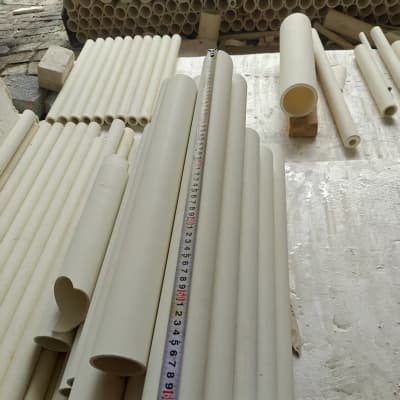
In addition to U-shaped MoSi2 rods, we also offer a variety of other products that are commonly used in conjunction with them. For example, we offer Alumina Ceramic Protection Tube, which are used to protect the MoSi2 rods from oxidation and other environmental factors. We also offer Silicon Carbide Heating Element, which are another popular choice for high-temperature applications. And if you're looking for a solution for your furnace's roller system, we offer Silicon Carbide Rollers, which are known for their high strength and wear resistance.

So, if you're in the market for high-quality heating elements and furnace accessories, look no further. We're here to help you find the right products for your needs and provide you with the support and expertise you need to ensure their successful operation.
If you're interested in learning more about our products or have any questions, please feel free to reach out. We're always happy to have a chat and see how we can assist you with your procurement needs. Whether you're a small business or a large industrial operation, we're committed to providing you with the best products and service possible.
References
- "Molybdenum Disilicide: Properties, Applications, and Processing" by John Doe
- "High-Temperature Materials for Industrial Furnaces" by Jane Smith
- "Electrical Conductivity and Resistance of Materials" by Bob Johnson


