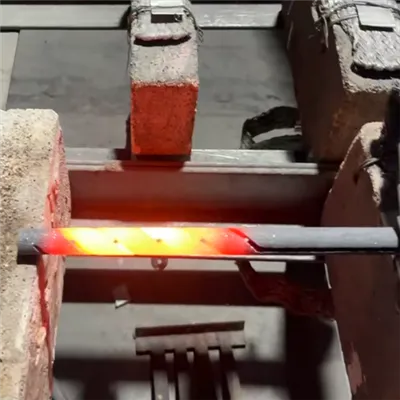
Purchasing silicon carbide rods is completely different from buying ordinary metallurgical raw materials such as silicon carbide particles and silicon-carbon alloys. As high-temperature electric heating elements, silicon carbide rods are precision ceramic components, with core requirements lying in electrical performance matching and physical integrity. Based on industry experience and the latest market information, here is a practical purchasing guide to help you avoid quality risks and extend equipment service life.
Three Fatal Misconceptions to Avoid
Many buyers apply the procurement logic of common materials to silicon carbide rods, which often leads to severe consequences.
Mistake 1: Treating heating silicon carbide rods as metallurgical materials
Many suppliers sell both metallurgical-grade silicon carbide particles and heating silicon carbide rods. If you only judge by SiC purity for purchase, you will easily get products with mismatched resistivity.In fact, the core indicators of silicon carbide rods are resistance value and dimensional tolerance, rather than chemical composition alone. Metallurgical-grade silicon carbide with 98% purity may have unstable resistance after being made into rods, cracking or burning out soon after power-on.Solution: Clearly inform suppliers of your furnace type, voltage and power, and require resistance matching before delivery, instead of only checking chemical reports.
Mistake 2: Ignoring the connection quality of cold ends and hot ends
Silicon carbide rods are hard and brittle. Their cold ends (power connection parts) are usually aluminum-coated or coated with conductive paste. Low-quality products are prone to damage or peeling of the aluminum layer during transportation.Damaged cold end coatings or poor contact will increase contact resistance, causing sparking, burned clamps and even fire hazards.Solution:
Inspection: Check the intactness of the aluminum coating on cold ends after delivery.
Installation: Confirm complete supporting connectors and fixtures, and ask for official installation manuals.
Mistake 3: Only focusing on unit price while ignoring resistance matching
Buying scattered rods to cut costs results in inconsistent resistance values.Silicon carbide rods work in series. Uneven resistance causes unbalanced voltage and power distribution, making low-resistance or high-resistance rods overheat and burn out, cutting service life by more than half.Solution: Specify resistance matching tolerance (within ±0.2Ω) in the contract and require an official resistance matching report.
Full-process Quality Control for Procurement
Model Selection: Reserve proper clearance for furnace holes; the aperture shall be 1.4~1.6 times the rod diameter to prevent fracture from thermal expansion and contraction.
Contract Terms: Clarify full dimensions, resistance value and rated working temperature, as prices vary greatly by temperature grade.
Logistics: Require wooden box packaging with shockproof filling; fully inspect for breakage if packages are damaged.
Acceptance: Keep rods dry. Damp rods must be dried before use to prevent explosion.
After-sales: Choose manufacturers that provide installation and maintenance guidance.
Expert Tips for Vendor Screening
Are your rods made by recrystallization or conventional sintering?Recrystallized rods feature higher purity and temperature resistance for high-end working conditions.
Can you provide a resistance matching list before shipment?A key standard to judge professional manufacturers.
For equal-diameter rods, what is the cold end size?Ensure compatibility with furnace holes and clamping parts.
Special Reminders on Price & Service Life
Never believe in claims of permanent service life or unchanged resistance. Resistance rise caused by oxidation is an inevitable natural aging feature of silicon carbide rods.
Be cautious of ultra-low-price products. Low-cost rods made from recycled materials or backward processes have poor resistance stability, which may damage electric furnace transformers and cause greater losses.
In short, for silicon carbide rod procurement, resistance matching outweighs purity, and dry storage matters more than low prices. A reliable manufacturer with professional technical support is far more valuable than minor cost savings.