
In the realm of art and sculpture, materials play a pivotal role in shaping the artist's vision. One such material that has often been overlooked but holds great potential is kiln bricks. As a supplier of kiln bricks, I have witnessed the unique characteristics and versatility of these bricks, and I firmly believe they can be effectively used in art and sculpture.


The Nature of Kiln Bricks
Kiln bricks are specifically designed to withstand high temperatures in kilns. They are made from high - quality refractory materials, which give them remarkable durability and heat - resistance. These bricks come in various shapes, sizes, and textures, providing a wide range of options for artists.
The density and strength of kiln bricks make them suitable for creating large - scale sculptures. Their ability to retain heat also means that they can be used in art forms that involve heat - based processes. For example, an artist could use kiln bricks to build a small, custom - made kiln for firing smaller sculptures or pottery pieces.
Aesthetic Appeal
Kiln bricks have a distinct aesthetic that can add a rustic and industrial charm to art and sculpture. Their earthy colors, ranging from deep reds to warm browns, can create a sense of warmth and authenticity. The rough texture of the bricks can also add a tactile element to the artwork, inviting viewers to engage with it on a more sensory level.
Artists can use the natural variations in the bricks' appearance to their advantage. Each brick has its own unique markings and imperfections, which can be incorporated into the overall design of the sculpture. This adds a sense of individuality and character that is often lacking in more mass - produced art materials.
Structural Possibilities
The structural integrity of kiln bricks makes them ideal for creating complex and stable sculptures. They can be stacked, bonded, and shaped to form various structures. For instance, an artist could build a large, multi - level installation using kiln bricks. The bricks' weight and solidity ensure that the structure remains stable, even in open - air settings.
Moreover, kiln bricks can be combined with other materials such as metal, wood, or glass. The contrast between the rough, heavy bricks and the smooth, delicate other materials can create a visually striking effect. For example, a sculpture could feature a frame made of metal rods with kiln bricks used as the main body, or glass elements could be embedded in the brick structure to add a touch of transparency and light.
Heat - Related Art Applications
As mentioned earlier, the heat - resistance of kiln bricks makes them suitable for heat - based art processes. In addition to building custom kilns, artists can use kiln bricks in installations that involve fire or heat. For example, a performance artist could create an installation where kiln bricks are heated and used as a source of light and heat during a performance.
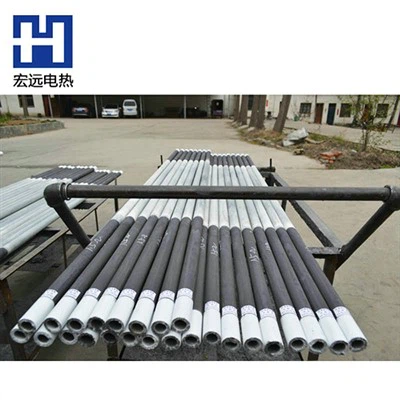
The ED Type Silicon Carbide Rod and Silicon Carbide Rod are essential components in many kilns. These rods can be used in combination with kiln bricks to create a controlled heating environment for firing sculptures. The MoSi2 Heating Element is another option for artists who require high - temperature heating elements in their kilns.
Challenges and Considerations
While kiln bricks offer many advantages for art and sculpture, there are also some challenges to consider. One of the main challenges is the weight of the bricks. Transporting and handling large quantities of kiln bricks can be difficult and may require specialized equipment.
Another consideration is the cost. Kiln bricks are typically more expensive than some other art materials. However, their durability and unique properties often justify the cost, especially for long - term art projects.
Case Studies
There are already some artists who have successfully used kiln bricks in their work. For example, a well - known sculptor created a large - scale outdoor installation using kiln bricks. The installation, which was located in a public park, became a popular attraction due to its unique design and the use of an unconventional material.
Another artist used kiln bricks to build a series of small, functional sculptures such as tables and benches. The heat - resistance of the bricks made these pieces suitable for outdoor use, and the rustic appearance added a unique charm to the furniture.
Conclusion
In conclusion, kiln bricks have significant potential in art and sculpture. Their durability, aesthetic appeal, and heat - resistance make them a valuable material for artists. Whether used in large - scale installations, small - scale sculptures, or heat - based art processes, kiln bricks can bring a new dimension to the world of art.
If you are an artist or an art enthusiast interested in exploring the possibilities of using kiln bricks in your projects, I encourage you to get in touch with us. We are a leading supplier of kiln bricks and can provide you with high - quality products and expert advice. Our team is ready to assist you in finding the right kiln bricks for your specific needs.
References
- "Refractory Materials in Art and Industry" by John Smith, published in the Journal of Art and Materials Science.
- "Sculpture Techniques with Unconventional Materials" by Mary Johnson, available in the library of the Art Institute.