1. Introduction
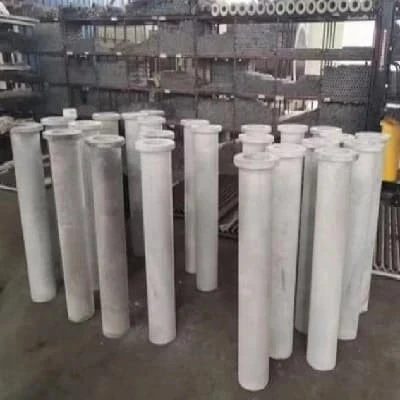
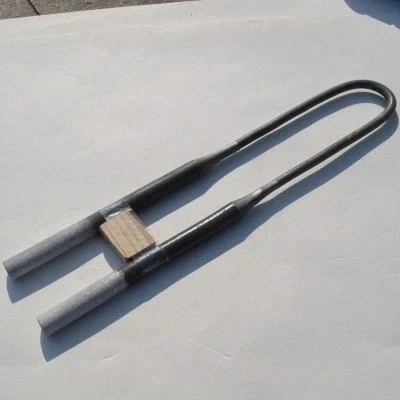
Silicon carbide (SiC) heating rods are core high-temperature heating elements widely applied in heat treatment, ceramic sintering, metallurgical melting and laboratory muffle furnaces. Their standard long-term operating temperature ranges from 1300℃ to 1350℃, with a short-time peak of 1400℃. They feature fast heating speed, stable high-temperature mechanical strength and compatibility with diverse furnace atmospheres. Nevertheless, due to the brittle nature of SiC ceramic, SiC rods are prone to fractures, sharp resistance rise, uneven heating, electric leakage and burnout when exposed to thermal shock, corrosive gas, improper installation & wiring, or mismatched power load, which significantly raise production costs and downtime losses. This article analyzes four prevalent industrial failures, explains root causes, and provides standardized troubleshooting and prevention protocols.
2. Four Common Failures, Causes & Countermeasures
2.1 Rod Fracture & Surface Chipping
Symptoms: No current after power-on, partial furnace temperature loss; visible transverse cracks, longitudinal splits, complete breakage or powder peeling on heating sections. Root Causes:
Thermal stress shock: Full-power startup for cold furnaces, sudden furnace door opening at high temperature, excessively fast heating/cooling rates create massive internal thermal stress that cracks the rod body;
Mechanical external force: Collision during transportation & installation, deformation from over-tight clamps, impact by workpieces during feeding, furnace vibration;
Corrosion embrittlement: Erosion by alkali metal melts, borides, sulfur & chlorine gas weakens mechanical strength;
Improper cold-end design: Heating segment extends into furnace wall, causing concentrated stress at cold-hot junction zones.
Solutions & Prevention: Broken rods cannot be repaired and need direct replacement; extra-long customized rods can be factory-welded with slightly reduced power stability. Standard maintenance steps: Pre-dry new or long-idle furnaces at 80℃ for 2 hours to remove moisture; control heating rate ≤5℃/min, never start cold rods at 100% rated power; adjust clamps to moderate tightness to avoid squeezing; prevent workpiece contact during feeding; install protective sleeves for corrosive working conditions to isolate melts and dust.
2.2 Abnormally Increased Resistance & Slow Temperature Rise
Symptoms: Furnace fails to reach set temperature even at maximum voltage; obvious brightness difference between rods in the same circuit; measured resistance far exceeds factory initial value with continuous power decay. Root Causes:
High-temperature oxidation: Long-term operation above 1350℃ triggers reaction between SiC and oxygen, forming insulating silica film that continuously boosts resistance;
Atmospheric erosion: Water vapor, hydrogen and nitrogen decompose SiC above 1350℃, thickening the oxidized surface layer;
Mixed old & new rods: Resistance difference over 10% between new and used rods in one loop overloads aged rods and accelerates deterioration in a vicious cycle.
Solutions & Prevention: A resistance increase ≤30% allows slight voltage boosting for compensation; a rise over 40% requires full synchronous replacement of all rods in the furnace-single replacement is forbidden. Control long-term furnace temperature ≤1300℃; adopt corrosion-resistant special SiC rods for reducing or vacuum atmospheres and cut surface load by 20%; record initial resistance of every rod in files, ensure resistance deviation<10% for replacement batches. Mild aging can be temporarily relieved by empty furnace activation at 1200℃ for 2 hours.
2.3 Uneven Heating & Local Incandescent Glow
Symptoms: Alternating dark-red and bright-white segments on a single rod; excessive temperature difference across furnace zones; premature aging and fracture of partial rods. Root Causes:
Unbalanced wiring: Oxidized loose clamps create inconsistent contact resistance and uneven current distribution per phase;
Misaligned layout: Uneven rod length and asymmetric spacing lead to divergent radiative heat transfer;
Surface contamination: Adhered dust and molten residues cause local overheating and incandescence due to poor heat dissipation.
Solutions & Prevention: Stop operation, polish oxidized wiring terminals and replace rusted copper clamps; calibrate horizontal height and equal spacing of rods; purge furnace dust regularly. Measure operating current monthly, restrict current deviation within 10% for rods in the same circuit.
2.4 Terminal Burnout & Electric Leakage Short Circuit
Symptoms: Temperature controller alarms for leakage; melted aluminum-sprayed conductive layer on cold ends, sparking blackened clamps, power tripping. Root Causes:
Moisture penetration into furnace wall gaps at cold ends generates electric arcs that burn off aluminum coating after power-up;
Over-tight clamps crack cold ends while loose clamps overheat from poor contact;
Failed furnace grounding raises electric leakage hazards.
Solutions & Prevention: Replace severely burned rods; clean aluminum coating and retighten clamps for mild oxidation. Reliably ground furnace shell with grounding resistance ≤4Ω; seal furnace wall gaps with high-temperature asbestos rope to block moisture; pre-dry furnaces before startup after long shutdowns.
3. General Long-term Maintenance Principles
Matching Selection: Select rod diameter, heating length and rated surface load according to furnace size, maximum working temperature and atmosphere; never overload undersized rods as substitutes.
Replacement Rule: Replace the full batch synchronously, maintain resistance logs, never connect new and old rods in one circuit.
Atmosphere Control: Reduce load and fit protective sleeves for alkaline, sulfur-chlorine and high-humidity environments; SiC rods deliver optimal service life under normal atmospheric pressure; use dense anti-corrosion SiC elements for highly corrosive hydrogen and chlorine atmospheres.
Periodic Inspection: Check cracks and powder peeling visually, test resistance & current, fasten wiring monthly; clean furnace ash and residues quarterly.
Safe Operation: Avoid rapid cooling by opening furnace doors at high temperature; wait until furnace cools below 300℃ before maintenance to prevent residual heat electric shock and scalds.
Standardized maintenance can extend the average service life of SiC rods by 40%–80%, greatly cutting downtime repair costs and stabilizing temperature consistency and finished product yield for heat treatment and sintering processes.