
As a supplier of Mullite Refractory Bricks, I am often asked about the suitability of these bricks for ceramic kilns. In this blog post, I will delve into the properties of Mullite Refractory Bricks, the requirements of ceramic kilns, and analyze whether they are a good fit.
Properties of Mullite Refractory Bricks
Mullite is a mineral with the chemical formula 3Al₂O₃·2SiO₂. Mullite Refractory Bricks are made from high - quality raw materials containing alumina and silica. These bricks possess several remarkable properties that make them stand out in the refractory materials industry.
High Temperature Resistance
One of the most significant advantages of Mullite Refractory Bricks is their excellent high - temperature resistance. They can withstand temperatures up to 1700°C or even higher, depending on the specific grade. This property is crucial for ceramic kilns, as the firing process often requires high temperatures to transform raw ceramic materials into finished products. For instance, in the production of porcelain, firing temperatures can range from 1200°C to 1450°C. Mullite bricks can easily handle these temperatures without significant deformation or degradation.
Good Thermal Insulation
Mullite Refractory Bricks have relatively low thermal conductivity. This means that they can effectively reduce heat loss from the kiln during the firing process. By minimizing heat transfer through the kiln walls, the energy consumption of the kiln can be significantly reduced. In the long run, this leads to cost savings for ceramic manufacturers, as less energy is required to maintain the desired firing temperature.


Chemical Stability
Ceramic kilns may be exposed to various chemical substances during the firing process, such as fluxes, glazes, and volatile compounds released from the ceramic materials. Mullite Refractory Bricks exhibit good chemical stability and are resistant to corrosion by most of these substances. This ensures that the bricks maintain their structural integrity over time, reducing the need for frequent replacements.
Mechanical Strength
These bricks have high mechanical strength, which allows them to withstand the physical stresses associated with the operation of ceramic kilns. They can resist abrasion from the movement of ceramic ware inside the kiln, as well as the pressure changes that occur during the heating and cooling cycles.
Requirements of Ceramic Kilns
To determine the suitability of Mullite Refractory Bricks for ceramic kilns, it is essential to understand the specific requirements of these kilns.
Temperature Uniformity
Ceramic kilns need to provide a uniform temperature distribution throughout the firing chamber. Uneven temperatures can lead to inconsistent firing results, such as uneven color, cracking, or warping of the ceramic products. The refractory lining of the kiln plays a crucial role in achieving temperature uniformity. A material with good thermal conductivity and heat - storage capacity can help to distribute heat evenly. Mullite Refractory Bricks, with their relatively low thermal conductivity, need to be carefully designed and installed to ensure that they do not cause significant temperature gradients within the kiln.
Firing Atmosphere
The firing atmosphere in ceramic kilns can be either oxidizing or reducing, depending on the type of ceramic being produced. For example, some high - quality porcelain is fired in a reducing atmosphere to achieve a specific color and texture. The refractory materials used in the kiln should be able to withstand the chemical reactions associated with different firing atmospheres without being affected. Mullite Refractory Bricks are generally stable in both oxidizing and reducing atmospheres, making them suitable for a wide range of ceramic firing processes.
Compatibility with Heating Elements
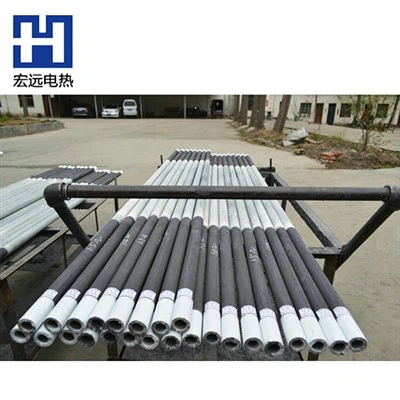
Ceramic kilns are often equipped with various heating elements, such as Sic Heating Elements and Molybdenum Disilicide Heating Rod. The refractory lining should be compatible with these heating elements to ensure efficient heat transfer and long - term operation. Mullite Refractory Bricks have good compatibility with most common heating elements, as they do not react chemically with them at high temperatures.
Wear Resistance
During the loading and unloading of ceramic ware, the refractory lining of the kiln is subject to wear and tear. The kiln should be lined with a material that can resist abrasion to maintain its integrity over time. Mullite Refractory Bricks, with their high mechanical strength, are well - suited to withstand the wear caused by the movement of ceramic products inside the kiln.
Suitability Analysis
Based on the properties of Mullite Refractory Bricks and the requirements of ceramic kilns, we can conclude that Mullite Refractory Bricks are generally suitable for ceramic kilns.
Advantages in High - Temperature Applications
The high - temperature resistance of Mullite Refractory Bricks makes them an ideal choice for ceramic kilns. They can withstand the extreme temperatures required for firing different types of ceramics, ensuring a reliable and consistent firing process.
Energy Efficiency Benefits
The good thermal insulation properties of these bricks contribute to energy savings in ceramic kilns. By reducing heat loss, ceramic manufacturers can lower their energy costs and improve the overall efficiency of their production processes.
Chemical and Mechanical Resistance
The chemical stability and mechanical strength of Mullite Refractory Bricks ensure that they can withstand the harsh conditions inside ceramic kilns. They are resistant to corrosion from chemical substances and abrasion from the movement of ceramic ware, resulting in a longer service life for the kiln lining.
Compatibility with Kiln Components
Mullite Refractory Bricks are compatible with various heating elements and other components of ceramic kilns. This compatibility allows for seamless integration into the kiln system, ensuring efficient operation and reliable performance.
However, there are also some considerations when using Mullite Refractory Bricks in ceramic kilns. For example, the relatively low thermal conductivity of these bricks may require careful design of the kiln to achieve optimal temperature uniformity. Additionally, the cost of Mullite Refractory Bricks may be higher than some other refractory materials, which needs to be weighed against the long - term benefits.
Other Considerations in Ceramic Kilns
In addition to the refractory lining, other components of the ceramic kiln also play important roles in the firing process. For example, Silicon Carbide Rollers are commonly used in roller hearth kilns to transport the ceramic ware through the kiln. These rollers need to have high temperature resistance, good mechanical strength, and low thermal expansion to ensure smooth and reliable operation.
Conclusion
In conclusion, Mullite Refractory Bricks are a suitable choice for ceramic kilns due to their high - temperature resistance, good thermal insulation, chemical stability, and mechanical strength. They can meet the requirements of ceramic kilns in terms of temperature uniformity, firing atmosphere, compatibility with heating elements, and wear resistance. However, careful design and consideration of cost - effectiveness are necessary when using these bricks.
If you are in the ceramic manufacturing industry and are looking for high - quality Mullite Refractory Bricks for your kilns, please feel free to contact us for more information. We are committed to providing the best products and services to meet your specific needs.
References
- "Refractories Handbook", ASM International
- "Ceramic Kiln Technology", John Wiley & Sons