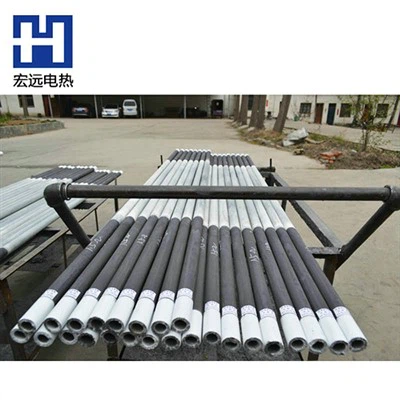

Silicon carbide (SiC), a compound of silicon and carbon, has long been recognized for its exceptional properties such as high hardness, excellent thermal conductivity, and chemical stability. These characteristics make it a versatile material with a wide range of applications across various industries. In the textile industry, silicon carbide plays a significant role in several key processes, from fiber production to fabric finishing. As a leading silicon carbide supplier, I am excited to share how this remarkable material is used in the textile industry.
Fiber Production
One of the primary applications of silicon carbide in the textile industry is in the production of high - performance fibers. Silicon carbide fibers are known for their high strength, high modulus, and excellent thermal and chemical resistance. These fibers are often used in applications where traditional fibers cannot meet the required performance criteria.
Reinforcement in Composite Fibers
Silicon carbide fibers can be used as reinforcement in composite materials. In the textile context, composite fibers are created by combining silicon carbide fibers with other materials such as polymers. The addition of silicon carbide fibers enhances the mechanical properties of the composite, making it stronger and more durable. For example, in the production of high - strength ropes and cables, silicon carbide - reinforced composite fibers can withstand higher loads and are more resistant to abrasion and wear.
Heat - Resistant Fibers
In industries where textiles are exposed to high temperatures, such as in the aerospace and automotive sectors, silicon carbide fibers are used to create heat - resistant textiles. These fibers can maintain their strength and integrity at elevated temperatures, making them suitable for applications like heat shields and insulation materials. The high thermal conductivity of silicon carbide also helps in dissipating heat, preventing damage to the textile and the surrounding components.
Dyeing and Finishing Processes
Silicon carbide is also used in the dyeing and finishing processes of textiles.
Grinding and Polishing
In the preparation of textile dyes and pigments, silicon carbide abrasives are used for grinding and polishing. The hardness of silicon carbide allows for efficient grinding of raw materials, ensuring a fine and uniform particle size. This is crucial for achieving consistent color and quality in the dyeing process. For example, Threaded Silicon Carbide Rod can be used in grinding machines to break down large particles of pigments into smaller, more manageable sizes.
Heat - Treatment in Finishing
During the finishing process of textiles, heat treatment is often required to improve the fabric's properties such as shrinkage resistance and wrinkle - free performance. Silicon carbide heating elements, like U - shaped Silicon Carbide Bars, are used in industrial ovens and dryers. These heating elements can provide high - temperature and uniform heating, ensuring that the fabric is treated effectively and efficiently.


Furnace Linings and Insulation
In the textile industry, furnaces are used for various processes such as fiber spinning, heat - setting, and dyeing. Silicon carbide is an ideal material for furnace linings and insulation.
Refractory Linings
Silicon carbide has excellent refractory properties, which means it can withstand high temperatures without melting or deforming. Furnaces lined with silicon carbide can operate at higher temperatures, allowing for more efficient processing of textiles. Alumina Refractory Bricks often contain silicon carbide as an additive to enhance their refractory performance. This helps in reducing heat loss and improving the overall energy efficiency of the furnace.
Insulation
Silicon carbide - based insulation materials are used to prevent heat leakage from furnaces. These materials have low thermal conductivity, which helps in maintaining the desired temperature inside the furnace and reducing energy consumption. The use of silicon carbide insulation also extends the lifespan of the furnace by protecting it from extreme temperature variations.
Surface Treatment of Textiles
Silicon carbide can be used for surface treatment of textiles to improve their performance and appearance.
Abrasion Resistance
By applying a silicon carbide coating to the surface of textiles, the fabric's abrasion resistance can be significantly enhanced. This is particularly useful in applications where the textile is exposed to friction, such as in workwear and outdoor fabrics. The hard silicon carbide particles on the surface of the fabric act as a protective layer, preventing damage from abrasion and extending the fabric's lifespan.
Anti - Static Properties
Silicon carbide can also be used to impart anti - static properties to textiles. In some industrial environments, static electricity can cause problems such as dust attraction and sparking. By incorporating silicon carbide into the textile, the static charge can be dissipated, reducing the risk of static - related issues.
Quality Control and Testing
Silicon carbide is also involved in the quality control and testing of textiles.
Wear Testing
Silicon carbide abrasives are used in wear testing machines to simulate the wear and tear that textiles may experience during their use. By subjecting the fabric to controlled abrasion using silicon carbide, manufacturers can evaluate the fabric's durability and make improvements to its design and composition.
Thermal Testing
Silicon carbide heating elements are used in thermal testing equipment to measure the heat resistance and thermal properties of textiles. This helps in ensuring that the textile meets the required standards for various applications.
Conclusion
Silicon carbide is a valuable material in the textile industry, with applications ranging from fiber production to quality control. Its unique properties make it an essential component in many textile processes, contributing to the production of high - quality, high - performance textiles. As a silicon carbide supplier, we are committed to providing high - quality silicon carbide products that meet the diverse needs of the textile industry. If you are interested in learning more about our silicon carbide products or have any specific requirements for your textile manufacturing processes, please feel free to contact us for a detailed discussion and potential procurement.
References
- "Silicon Carbide: Properties, Processing, and Applications" by R. K. Gupta.
- "Textile Manufacturing Processes" by J. E. Booth.
- "Advanced Materials in Textiles" edited by A. R. Horrocks and S. C. Anand.