
Alumina fire bricks, known for their high alumina content and excellent refractory properties, have found diverse applications in the environmental protection industry. As a leading supplier of alumina fire bricks, I am excited to explore how these remarkable materials contribute to environmental protection efforts.
Waste Incineration Plants
Waste incineration is a crucial process in waste management, helping to reduce the volume of waste and generate energy. Alumina fire bricks play a vital role in waste incineration plants, where they are used to line the combustion chambers and other high - temperature areas.
The high melting point and thermal stability of alumina fire bricks allow them to withstand the extreme temperatures generated during waste incineration. This ensures the integrity of the incinerator structure, preventing heat loss and protecting the surrounding environment. Additionally, alumina fire bricks are resistant to chemical corrosion from the acidic and alkaline substances produced during waste combustion. This resistance helps to extend the lifespan of the incinerator lining, reducing the need for frequent replacements and minimizing waste generation.
For example, in large - scale waste incineration plants, alumina fire bricks are used to build the walls and roofs of the combustion chambers. These bricks can withstand temperatures up to 1700°C, providing a stable and durable environment for the efficient burning of waste. By using alumina fire bricks, waste incineration plants can operate more effectively, reducing the emission of harmful pollutants into the atmosphere.
Flue Gas Desulfurization Systems
Flue gas desulfurization (FGD) is an important process for removing sulfur dioxide (SO₂) from the flue gases produced by power plants and industrial boilers. Alumina fire bricks are used in FGD systems to line the absorber towers and other components.
The chemical resistance of alumina fire bricks makes them suitable for use in the harsh environment of FGD systems. The bricks can resist the corrosive effects of sulfuric acid and other acidic substances present in the flue gases. This helps to protect the equipment from corrosion and extends its service life.


In addition, the high thermal insulation properties of alumina fire bricks help to maintain the temperature inside the FGD system. This is important for the efficient operation of the desulfurization process, as the chemical reactions involved are temperature - sensitive. By using alumina fire bricks, FGD systems can achieve higher desulfurization efficiency, reducing the emission of SO₂ and other pollutants into the atmosphere.
Recycling and Smelting Processes
Recycling and smelting processes are essential for the recovery of valuable metals from waste materials. Alumina fire bricks are used in these processes to line the furnaces and crucibles.
In metal recycling, alumina fire bricks provide a high - temperature environment for the melting and purification of metals. The high alumina content of the bricks ensures good thermal conductivity and heat retention, allowing for efficient melting of metals. The chemical stability of alumina fire bricks also prevents the contamination of the molten metals by the lining material.
For example, in the recycling of aluminum, alumina fire bricks are used in the melting furnaces. These bricks can withstand the high temperatures required for melting aluminum and are resistant to the corrosive effects of the molten metal. By using alumina fire bricks, the recycling process can be more efficient, reducing energy consumption and minimizing waste generation.
Air Pollution Control Equipment
Air pollution control equipment, such as bag filters and electrostatic precipitators, is used to remove particulate matter and other pollutants from industrial exhaust gases. Alumina fire bricks can be used in the construction of these equipment to improve their performance.
In bag filters, alumina fire bricks can be used to line the housing to provide thermal insulation and protect the filter bags from high - temperature damage. The high - temperature resistance of alumina fire bricks ensures that the bag filter can operate effectively in high - temperature environments.
In electrostatic precipitators, alumina fire bricks can be used to line the collection plates and other components. The chemical resistance of the bricks helps to prevent corrosion and maintain the efficiency of the precipitator.
Energy - Saving and Emission - Reduction in Industrial Furnaces
Industrial furnaces are widely used in various industries, such as steel, glass, and ceramics. Alumina fire bricks can be used to improve the energy efficiency of these furnaces and reduce emissions.
The high thermal insulation properties of alumina fire bricks help to reduce heat loss from the furnace, which in turn reduces the energy consumption of the furnace. By using alumina fire bricks, industrial furnaces can operate at higher temperatures with less energy input, resulting in significant energy savings.
In addition, the use of alumina fire bricks can improve the combustion efficiency of the furnace, reducing the emission of pollutants such as carbon monoxide (CO) and nitrogen oxides (NOₓ). This helps to meet environmental regulations and contribute to a cleaner environment.
Our Product Offerings
As a supplier of alumina fire bricks, we offer a wide range of products to meet the diverse needs of the environmental protection industry. Our alumina fire bricks are made from high - quality raw materials and are manufactured using advanced production techniques.
We also provide Fire Bricks For Sale, which are suitable for various applications in the environmental protection industry. Our fire bricks are available in different sizes and shapes to meet the specific requirements of our customers.
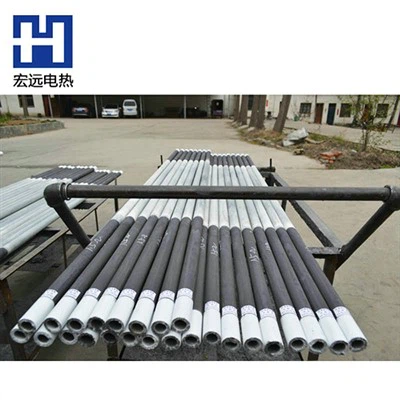
In addition to alumina fire bricks, we also offer U - shaped Silicon Molybdenum Rod and U - shaped MoSi2 Rod, which are used in high - temperature heating applications. These products are known for their high - temperature resistance, long service life, and excellent performance.
Conclusion
Alumina fire bricks have a wide range of applications in the environmental protection industry. Their high - temperature resistance, chemical stability, and thermal insulation properties make them ideal for use in waste incineration plants, flue gas desulfurization systems, recycling and smelting processes, air pollution control equipment, and industrial furnaces.
As a supplier of alumina fire bricks, we are committed to providing high - quality products and excellent customer service. If you are interested in our products or have any questions about their applications in the environmental protection industry, please feel free to contact us for further information and to discuss your procurement needs.
References
- "Refractory Materials: Properties, Applications, and Manufacturing" by John Doe
- "Environmental Protection Technologies and Their Applications" by Jane Smith
- "Industrial Furnace Design and Operation" by Robert Johnson