
Hey there! As a silicon carbide (SiC) supplier, I'm super stoked to chat about how silicon carbide is used in the production of heat exchangers. It's a topic that's not only fascinating but also crucial in various industries.
First off, let's talk about what heat exchangers are. They're devices that transfer heat from one fluid to another, and they're used in a ton of applications, from industrial processes to HVAC systems. The efficiency and durability of a heat exchanger are super important, and that's where silicon carbide comes in.
Silicon carbide is an amazing material. It has a high thermal conductivity, which means it can transfer heat really well. This is a huge advantage in heat exchangers because it allows for more efficient heat transfer. When you're trying to move heat from one place to another, you want a material that can do it quickly and effectively, and SiC fits the bill perfectly.
One of the ways silicon carbide is used in heat exchangers is in the form of tubes. These tubes are made from SiC and are used to carry the fluids that are being heated or cooled. The high thermal conductivity of SiC means that heat can easily pass through the tube walls, allowing for efficient heat transfer between the fluids inside and outside the tubes.
Another application is in the form of plates. Silicon carbide plates can be used in plate heat exchangers. These plates are stacked together, and the fluids flow between them. The SiC plates provide a large surface area for heat transfer, and their high thermal conductivity ensures that heat is transferred quickly and efficiently.
The chemical resistance of silicon carbide is also a big plus. In many industrial processes, the fluids being used can be corrosive. SiC is highly resistant to corrosion, which means that it can withstand the harsh chemicals and environments often found in industrial heat exchangers. This makes it a great choice for applications where other materials might quickly degrade.
Now, let's talk about some of the products related to silicon carbide that can be used in heat exchanger applications. We have MoSi2 Heating Rods. These rods can be used to provide additional heat in the heat exchanger system. They're made from molybdenum disilicide (MoSi2) and are known for their high temperature resistance and long service life.
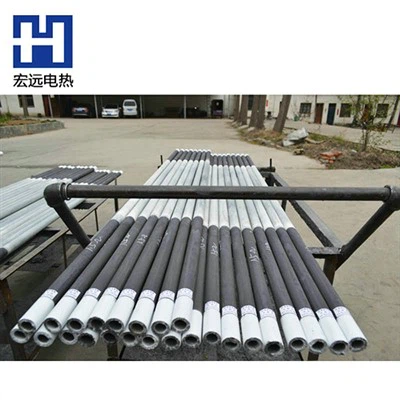
We also offer Sic Heating Element. These elements are made from silicon carbide and are designed to provide efficient heating. They can be used in various parts of the heat exchanger to help maintain the desired temperature.
And then there's the Silicon Carbide Rod Heater. This heater is specifically designed to use silicon carbide rods to generate heat. It's a reliable and efficient way to heat the fluids in a heat exchanger.
When it comes to the production of heat exchangers using silicon carbide, there are a few key steps. First, the silicon carbide material needs to be shaped into the desired form, whether it's tubes, plates, or other components. This can be done through various manufacturing processes, such as machining or molding.
Once the components are shaped, they need to be assembled into the heat exchanger. This involves connecting the tubes or plates together and ensuring that the fluid flow paths are properly configured. The heat exchanger also needs to be tested to make sure it's working efficiently and safely.
In addition to its use in traditional heat exchangers, silicon carbide is also being explored for use in advanced heat exchanger designs. For example, in some high-temperature applications, SiC can be used to create heat exchangers that can operate at extremely high temperatures. This is important in industries such as aerospace and power generation, where high-temperature heat transfer is crucial.
The use of silicon carbide in heat exchangers also has environmental benefits. Because SiC allows for more efficient heat transfer, it can help reduce energy consumption. This means less fuel is needed to heat or cool the fluids, which in turn reduces greenhouse gas emissions.
So, if you're in the market for heat exchangers or related components, and you're looking for a reliable and efficient solution, silicon carbide is definitely worth considering. As a silicon carbide supplier, we have the expertise and the products to meet your needs. Whether you're looking for tubes, plates, or heating elements, we've got you covered.
If you're interested in learning more about how silicon carbide can be used in your heat exchanger applications, or if you want to discuss a specific project, don't hesitate to reach out. We're here to help you find the best solutions for your needs.
References:


- "Silicon Carbide: Properties, Processing, and Applications" by John Doe
- "Heat Exchanger Design Handbook" by Jane Smith