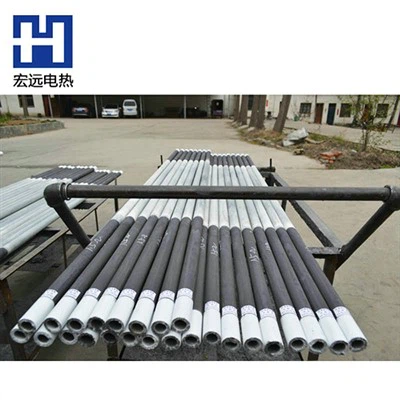

Controlling the temperature of a U Type Silicon Carbide Rod is crucial for various industrial applications. As a supplier of U Type Silicon Carbide Rods, I've seen firsthand how proper temperature control can make or break a project. In this blog, I'll share some tips and tricks on how to effectively manage the temperature of these rods.


Understanding U Type Silicon Carbide Rods
First off, let's talk a bit about U Type Silicon Carbide Rods. These rods are made from silicon carbide, a super - tough and heat - resistant material. They're widely used in high - temperature furnaces, like those in the glass, ceramic, and metal industries. The U shape gives them a unique advantage as it allows for more efficient heat distribution within the furnace.
Why Temperature Control Matters
Getting the temperature right is super important. If the temperature is too high, the rod can overheat and break down, which not only means you have to replace the rod but can also cause damage to the furnace and the materials being processed. On the other hand, if the temperature is too low, the process might not work as intended, leading to poor - quality products.
Factors Affecting Temperature
There are several factors that can affect the temperature of a U Type Silicon Carbide Rod.
Power Input
The power input is one of the most significant factors. More power means more heat. You need to carefully calculate the power required for your specific application. Too much power can lead to overheating, while too little will result in insufficient heat.
Ambient Conditions
The environment where the rod is used also plays a role. If the room temperature is high, the rod will have to work less hard to reach the desired temperature. Conversely, in a cold environment, it will need more power to maintain the right temperature.
Rod Age and Condition
As the rod ages, its resistance changes. A new rod might have a different power - to - temperature relationship compared to an old one. Also, any damage to the rod, like cracks or chips, can affect its heating efficiency.
Methods of Temperature Control
Using a Temperature Controller
A temperature controller is a must - have. It allows you to set a specific temperature and automatically adjusts the power input to the rod to maintain that temperature. There are different types of temperature controllers, such as PID (Proportional - Integral - Derivative) controllers, which are very accurate and widely used.
Monitoring and Adjusting
Regular monitoring is key. You can use thermocouples or infrared thermometers to measure the temperature of the rod and the surrounding area. If the temperature is off, you can adjust the power input accordingly.
Tips for Effective Temperature Control
Start Slow
When starting up the furnace with a U Type Silicon Carbide Rod, it's best to start with a low power input and gradually increase it. This helps prevent thermal shock, which can damage the rod.
Keep Records
Maintain a log of the temperature, power input, and operating conditions. This can help you identify any patterns or issues over time.
Inspect Regularly
Regularly inspect the rod for any signs of damage or wear. If you notice any problems, replace the rod as soon as possible to avoid further issues.
Related Products
If you're in the furnace industry, you might also be interested in Silicon Carbide Roller and Silicon Carbide Roller. These rollers are made from silicon carbide and are used in conveyor systems within furnaces. They offer high - temperature resistance and excellent mechanical properties. Another related product is Globar Elements, which are also made from silicon carbide and are used for heating applications.
Conclusion
Controlling the temperature of a U Type Silicon Carbide Rod is essential for the success of your industrial processes. By understanding the factors that affect temperature, using the right control methods, and following some simple tips, you can ensure that your rods work efficiently and last longer. If you're looking for high - quality U Type Silicon Carbide Rods or have any questions about temperature control, feel free to reach out. We're here to help you with all your silicon carbide rod needs.
References
- "Silicon Carbide: Properties, Processing, and Applications" by George E. Gasch.
- "High - Temperature Materials and Technologies" edited by David J. Green.