
What is the energy conversion efficiency of MoSi2 heating elements?
As a supplier of MoSi2 heating elements, I often encounter inquiries about the energy conversion efficiency of these remarkable components. In this blog post, we'll delve into the intricacies of MoSi2 heating elements, exploring their energy conversion efficiency and why they stand out in the market.
Understanding MoSi2 Heating Elements
Molybdenum disilicide (MoSi2) heating elements are widely recognized for their exceptional performance in high - temperature applications. These elements are made from a compound of molybdenum and silicon, which gives them unique properties that make them suitable for use in various industrial furnaces, heat treatment processes, and other high - heat environments.


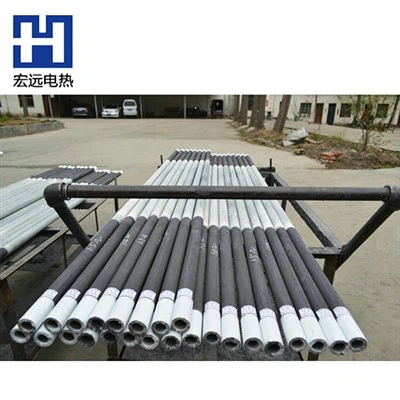
The Moly Disilicide Heating Element is designed to operate in oxidizing atmospheres at temperatures up to 1800°C. When an electric current passes through the MoSi2 element, it generates heat due to the resistance of the material. This heat is then transferred to the surrounding environment, whether it's a furnace chamber or a specific workpiece.
Energy Conversion Efficiency Defined
Energy conversion efficiency is a measure of how effectively a device converts one form of energy into another. In the case of heating elements, it refers to the ratio of the heat energy output to the electrical energy input. A higher energy conversion efficiency means that more of the electrical energy is converted into useful heat, while less is wasted as other forms of energy, such as light or sound.
For MoSi2 heating elements, the energy conversion efficiency is typically very high. In ideal conditions, these elements can achieve an efficiency of over 95%. This is due to several factors related to the material and design of MoSi2 heating elements.
Firstly, MoSi2 has a relatively low resistivity at high temperatures. This means that when an electric current is passed through the element, the electrical energy is efficiently converted into heat energy. Secondly, the material has good thermal conductivity, which allows the generated heat to be quickly and evenly transferred to the surrounding medium.
Factors Affecting Energy Conversion Efficiency
However, the actual energy conversion efficiency of MoSi2 heating elements can be affected by several factors:
-
Operating Temperature: The efficiency of MoSi2 heating elements tends to increase with temperature. At lower temperatures, the resistivity of MoSi2 is relatively high, and some energy may be lost in the form of electrical resistance. As the temperature rises, the resistivity decreases, and more electrical energy is converted into heat.
-
Element Design: The shape and size of the heating element can also impact its efficiency. For example, the U - shaped MoSi2 Rod is a popular design choice. The U - shape provides a larger surface area for heat transfer, which can improve the overall efficiency of the heating process. A well - designed element can ensure that the heat is evenly distributed, reducing the likelihood of hotspots and energy waste.
-
Surrounding Environment: The atmosphere in which the heating element operates can have a significant effect on its efficiency. In an oxidizing atmosphere, MoSi2 forms a protective silica (SiO2) layer on its surface. This layer not only protects the element from further oxidation but also helps to improve the heat transfer efficiency. However, in a reducing or contaminated atmosphere, the performance of the element may be degraded, leading to a decrease in energy conversion efficiency.
-
Electrical Supply: The quality and stability of the electrical supply also play a role in the efficiency of MoSi2 heating elements. An unstable power supply with voltage fluctuations can cause the element to operate inefficiently. Additionally, improper electrical connections can introduce additional resistance, resulting in energy loss.
Advantages of High Energy Conversion Efficiency
The high energy conversion efficiency of MoSi2 heating elements offers several advantages to industrial users:
-
Energy Savings: With an efficiency of over 95%, these elements can significantly reduce energy consumption compared to less efficient heating technologies. This translates into lower operating costs and a reduced carbon footprint, making them an environmentally friendly choice.
-
Faster Heating Times: Since more electrical energy is converted into heat, MoSi2 heating elements can reach the desired operating temperature more quickly. This can improve the productivity of industrial processes, as less time is spent waiting for the furnace or heating system to warm up.
-
Longer Lifespan: The efficient operation of MoSi2 heating elements means that they are subjected to less stress and wear. This results in a longer lifespan for the elements, reducing the need for frequent replacements and maintenance, and further reducing overall costs.
Comparison with Other Heating Elements
When compared to other types of heating elements, such as Molybdenum Heating Element and traditional metal heating elements, MoSi2 heating elements offer superior energy conversion efficiency.
Molybdenum heating elements may have good high - temperature performance, but their energy conversion efficiency may be lower due to different material properties. Traditional metal heating elements, on the other hand, are often limited by their operating temperature range and may not be suitable for very high - temperature applications. In contrast, MoSi2 heating elements can operate at extremely high temperatures while maintaining a high level of energy efficiency.
Conclusion
In conclusion, MoSi2 heating elements offer excellent energy conversion efficiency, typically exceeding 95% in ideal conditions. Their high efficiency is a result of their unique material properties, such as low resistivity at high temperatures and good thermal conductivity. However, factors such as operating temperature, element design, surrounding environment, and electrical supply can affect their actual efficiency.
The high energy conversion efficiency of MoSi2 heating elements provides numerous benefits, including energy savings, faster heating times, and a longer lifespan. These advantages make MoSi2 heating elements a top choice for a wide range of high - temperature industrial applications.
If you are in the market for high - quality MoSi2 heating elements and want to discuss your specific requirements, we invite you to contact us. Our team of experts is ready to assist you in selecting the right heating elements for your application and to provide you with the best solutions for your heating needs.
References
- "High - Temperature Materials and Mechanisms" by John W. Freeman
- "Industrial Heating Handbook" edited by Thomas F. Edgar